



Learn how smart logistics streamlines e-commerce operations with route optimization, real-time tracking, fleet management, and faster deliveries.
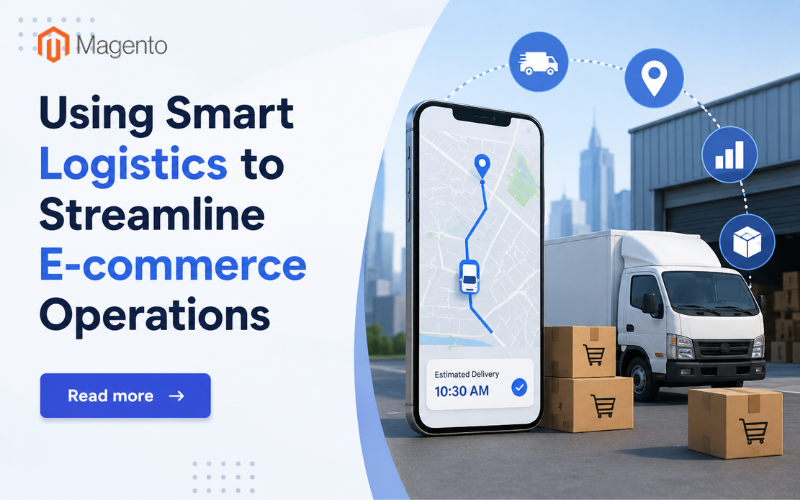
As online retail keeps growing, e-commerce businesses face more pressure than ever to deliver goods quickly and efficiently. Customers now expect fast, reliable, and often free shipping, which really strains a company's operations. The answer lies in smart logistics: using technology to smooth out every step of the delivery process, from the warehouse to the customer's door. Adopting intelligent systems helps you work more efficiently, cut costs, and give customers a better experience overall.
The Logistics Challenge in E-commerce
A main challenge for any e-commerce business is managing the complicated journey a product takes from a click to a delivery. This process, known as last-mile delivery, is famously expensive and inefficient, often making up over half of all shipping costs. Businesses also have to deal with reverse logistics, which means handling customer returns. This adds another layer of difficulty and expense. Meeting customer demands for speed without losing money needs a smart approach to optimizing e-commerce logistics and fulfillment.
Optimizing Delivery Routes and Schedules
The best route optimization software uses advanced algorithms to plan the most efficient delivery routes for your fleet. Modern logistics software uses advanced algorithms to plan the most efficient delivery routes for your fleet. These systems look at many different factors in real time, like:
• Traffic patterns
• Delivery time windows
• Vehicle capacity
• Fuel consumption
By figuring out the best possible order of stops, this technology helps drivers avoid delays and spend less time on the road. This leads to much lower fuel costs, less wear and tear on vehicles, and more deliveries completed each day. This efficiency means faster shipping times for your customers and better profits for your business.
Real-time Vehicle Tracking Benefits
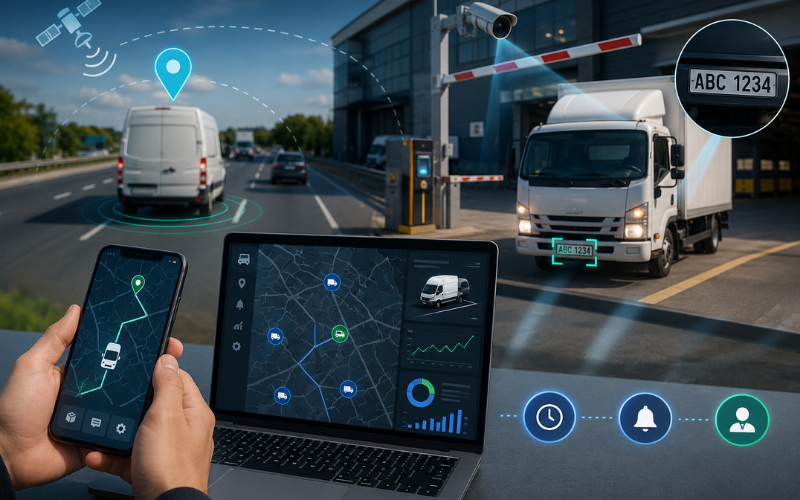
Knowing where your delivery vehicles are at all times offers huge operational benefits. Real-time GPS tracking lets you watch your fleet's progress and react immediately to unexpected problems like traffic jams or vehicle breakdowns. This visibility also makes things safer by helping prevent theft and unauthorized use of company vehicles. It also gives you more control over your fulfillment centers and distribution hubs.
For example, systems using automatic license plate recognition can automate and secure gate access, recording when vehicles enter and exit without needing someone to do it manually. This level of tracking means you can give customers accurate estimated arrival times and proactive updates, which build trust and satisfaction.
Data-Driven Decisions for Fleet Management
Smart logistics platforms create a lot of data that you can use to make strategic decisions. Analyzing information from vehicle tracking and delivery records helps you really understand how your fleet is performing. This data can show you your most efficient drivers, routes that often cause delays, and vehicles that might need maintenance.
Telematics data, which includes details on speed, braking, and idle time, can be used to encourage safer driving habits and reduce fuel use. Over time, these analytics let you optimize your fleet size, pick the right types of vehicles for specific routes, and keep improving your entire delivery strategy based on solid evidence.
Future Trends in E-commerce Delivery
The world of e-commerce logistics is still changing. Several new ideas are set to completely transform how products get delivered. Drones and autonomous vehicles for last-mile delivery are already being tested and might soon become common for certain package types.
Another important development is the rise of micro-fulfillment centers. These are small warehouses located in cities that allow for super-fast delivery options. Sustainability is also a big focus, with businesses looking into electric vehicles and carbon-neutral delivery methods. Keeping up with these emerging trends in logistics will be crucial for staying competitive.
Overall, using smart logistics isn't just a nice-to-have anymore; it's essential for modern e-commerce companies. These technologies give you the tools to build a strong, efficient, and customer-focused delivery operation that can adapt to a constantly changing market.
Related Posts
- Top 5 Enterprise Laptop Return Shipping Solutions for Remote Workforce Asset Recovery
- International Link Building for E-commerce Brands: A Practical Guide
- Server Refresh vs Third-Party Maintenance: Which Option Makes More Sense?
- The Best Funnel Builder for Coaches and Course Creators
- How Magento Powers Modern eCommerce Businesses
- How to Price an Online Course Without Leaving Money on the Table?