


Learn how international link building helps e-commerce brands improve global SEO, build local authority, increase organic traffic, and grow in new markets.
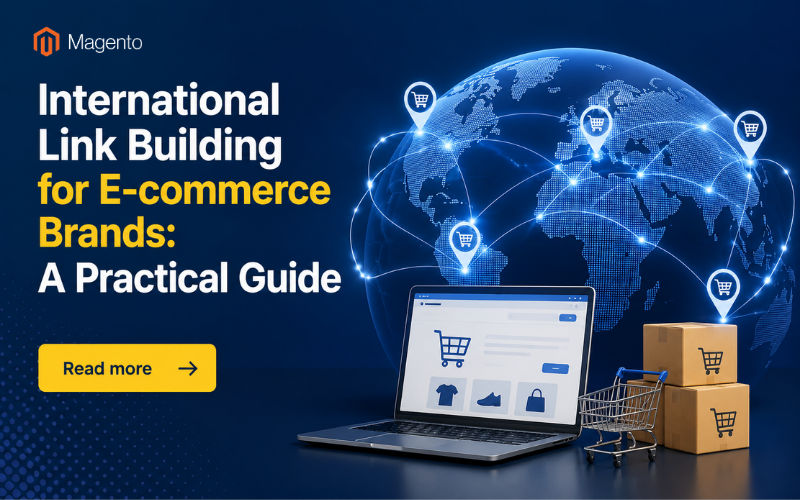
Going into global markets is exciting, but it can also be hard to manage for e-commerce brands. So what is international link building for e-commerce brands? It is the planned work of getting high-quality backlinks from websites in the countries and languages where you want to grow. This is not just about collecting links. The goal is to build real trust and authority in each region, and to show search engines like Google that your site is relevant and reliable for local users. When you do this well, your local pages can rank better for country-based and language-based searches, bringing the right visitors and more sales.
Today, customers can come from almost anywhere. Because of that, a strong international link building plan is no longer optional if you want long-term growth. It supports your global SEO work, helps your brand connect with different audiences, and can also strengthen your overall domain authority. If you want your store to get seen and trusted in new countries, working with expert international link building services can help you use the right approach for each market.
This guide explains international link building in a clear, practical way. You’ll learn how to find good link chances, how to do outreach that fits local culture, and how to get results you can track.
Benefits of International Link Building for E-commerce Brands
A well-run international link strategy does more than help SEO. For e-commerce brands, it can lead to more market share, better brand reputation, and higher revenue across many countries.
1. Improves International Search Rankings
A clear benefit is better rankings in other countries. Links from trusted local sites send strong language and location signals to search engines. These signals help Google see that your page is made for that region, not just translated. That makes it easier for local product pages, category pages, and blog posts to rank for local searches.
Example: A French store selling artisan cheese may have a strong global site, but a link from a French food blog tells Google the page fits users searching “fromage artisanal” in France. That local signal is much stronger than a general link for French rankings.
2. Builds Trust and Credibility in New Markets
Trust is a must in e-commerce, and it takes time to earn it in a new country. Backlinks from respected local media, blogs, and industry sites act like a public endorsement. When local sites talk about you, shoppers are more likely to see your brand as real and safe.
For example, if a well-known German review site links to your product, many German buyers will trust you faster. That trust can directly affect buying decisions and help you build repeat customers.
3. Increases Global Organic Traffic
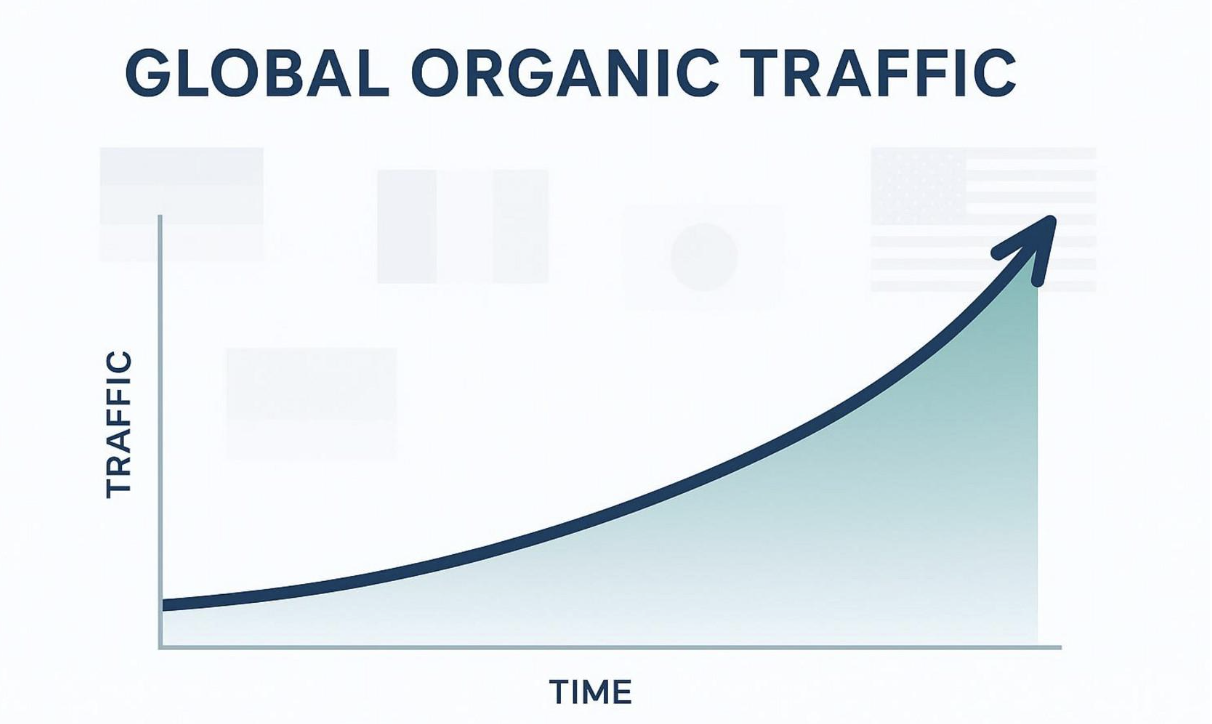
Better rankings bring more organic traffic. As your local pages gain authority from regional backlinks, they show up more in local search results. Also, international links can bring referral traffic. Visitors coming from trusted local blogs or industry sites are often already interested, which can lead to more sales.
Spreading traffic across countries also makes your business more stable. If one market slows down, other markets can still bring sales and leads.
4. Improves Brand Awareness Across Borders
Each international backlink puts your brand in front of a new group of people. A mention on a local magazine site, blog, or industry publication adds to your global reach. People may not buy right away, but repeated exposure builds familiarity. Over time, this makes customers more likely to remember and trust you.
5. Strengthens Domain Authority and Creates a More Diverse Link Profile
Even though the goal is local relevance, international links can also support your overall domain authority. Links from respected sites in different countries and languages make your backlink profile more varied. A mix of TLDs (.de, .fr, .jp), languages, and site types (news, blogs, directories) shows search engines that your brand is recognized in many places.
A diverse profile can also help your local pages rank better inside their regions while still supporting the main domain.
Key Principles of Effective International Link Building
Good international link building is about getting the right links from the right places, while understanding each local market. These principles are the base of a strong campaign.
Focus on Local Relevance and Language Details
The main rule is local relevance. Your links should come from sites that truly match your target country and audience. This is more than checking a ccTLD. You should look at the site’s content, its readers, and the culture it speaks to. A local approach means thinking about how people search, what sources they trust, and how they use language.
Work with professional translators and native speakers when possible. Automatic translation often misses meaning and can sound unnatural.
Example: If you target Spain, a Spanish-language blog aimed at Latin America may not help as much for Spain rankings as a site focused on Spanish consumers. Local fit is key.
Check Authority and Link Quality for Each Country
As with any link building, quality matters more than volume. For international campaigns, you should judge sites in a local context. A site can look strong on paper but still have little value for your target country.
Stay away from Private Blog Networks (PBNs) and link farms. These sites exist to game rankings and can lead to Google penalties. Focus on real websites with real readers and real editorial standards.
Choose the Right Pages to Build Links To
You don’t need links to every page. Put effort into pages that can rank and drive business results, such as:
• Localized landing pages: Pages built for regional campaigns and offers.
• High-value product or category pages: These bring sales, but can be harder to earn links to. Supporting content can help and can link internally to these pages.
• Long guides and resources: Local helpful content can earn links more easily and pass value to commercial pages through internal links.
• About/brand pages: Useful for PR links and building trust in new markets.
If you spread links across too many pages, you weaken the impact. Concentrate on pages that matter most for growth.
Match Anchor Text to Local Search Intent
Anchor text is the clickable part of a link, and it helps search engines understand what the linked page is about. For international link building, anchor text should match how people in that country search. This usually means more than direct translation.
Use a natural mix of branded anchors, generic anchors, and descriptive keyword-style anchors. For example, for France and “running shoes,” a natural anchor might be “chaussures de course” or your brand name, instead of repeating the same exact phrase every time.
Essential Strategies for International Link Acquisition
After you find good prospects, you need clear methods to earn links. The best tactics give value to the publisher and their audience.
Create High-Quality, Localized Content
Content is the base of link building, and for international markets it must be localized properly. This means adapting content to local culture, trends, laws, spelling, and search habits-not just translating words.
Example: A sustainability post for Japan should use local examples, local brands, and local viewpoints, not a direct copy of a US-focused article.
Start by localizing your most important business pages and long-lasting “evergreen” content. SEO tools and professional translators who do localization (not just translation) can help.
Guest Posting on Local Industry Websites
Guest posting still works well when done correctly. You write a useful, original article for a local blog or publication, and you earn a contextual backlink.
Find sites using searches like “write for us” or “guest post” in the target language. Before you pitch, read the site carefully and write a message that fits them. The article should be genuinely useful, and the link should feel natural (no forced anchor text).
International Digital PR Campaigns
International digital PR aims to earn mentions and backlinks from trusted online media in target countries. You promote stories, research, or expert opinions that local readers care about.
This usually includes making a story that is newsworthy, rewriting it for each country, building a list of local journalists, sending personal pitches, and sharing media assets like infographics. Tools like Muck Rack, Cision, and Meltwater can help find contacts and manage outreach. Contacts alone don't win coverage, though — knowing which angles resonate in Germany versus Hungary or the US is what separates a pitch that lands from one that gets ignored, which is why teams often bring in specialists likeNON.agency, who build outreach market by market instead of running one campaign everywhere.
Collaborate with Local Influencers and Journalists

Long-term results often come from relationships. Work with local influencers, bloggers, and journalists so they see you as a useful source. This can lead to mentions and links from interviews, articles, product reviews, and roundups.
Start by engaging with their content first. Then reach out with something helpful: data, a quote, a product sample, or expert input. Personal outreach works best.
Publish Unique Research and Data
Original research is one of the best ways to earn high-quality links, because other sites can cite it. Make reports, surveys, or studies that relate to specific countries.
Example: Instead of one global e-commerce report, run a survey on shopping habits in Italy or Germany. Use charts and infographics so people can share it easily. Promote it through local media and industry channels. Tools like SurveyMonkey, Qualtrics, Google Trends, and Tableau can help.
Partner With Local Organizations and Businesses
Working with respected local groups can bring valuable backlinks. Partners can include chambers of commerce, associations, event organizers, community projects, or universities. You might sponsor an event, support a project, or create content together, and get listed on their site as a partner.
These links also show search engines that your brand is active and trusted in that country. LinkedIn, Google Maps, and local event sites can help you find partners.
List Your Brand in Trusted Local Directories
Directory listings can still help if you focus on trusted, relevant directories. Many directories include your business details and a link to your website.
Pick quality directories, not hundreds of random ones. Google Business Profile is important if you have a local presence, and industry-specific directories can also help customers find you.
Build Linkable Assets for Regional Audiences
Linkable assets are useful resources that people naturally want to reference. For international markets, the best assets are made for local needs.
Examples include local buying guides, local product comparison pages, size charts, interactive tools, or infographics using local data. Use tools like Ahrefs Content Explorer and AnswerThePublic to find topics that local audiences care about.
Use Affiliate and Partner Programs Globally
Affiliate programs can generate international backlinks with less direct outreach. Affiliates promote your products and link to your pages in reviews, tutorials, comparison posts, and video descriptions.
To help affiliates create better content, give them a simple “How to Promote Us” kit with anchor text ideas, banners, product images, and keyword ideas for their region. You can also offer bonuses for affiliates who publish useful content (not just ads), which can lead to many relevant backlinks over time.
Practical Tips for International Outreach
Getting international links depends a lot on communication. How you contact people across languages and cultures can decide whether you get a reply.
Write Outreach Communication Like a Local
Do not just translate outreach emails. Rewrite them for the market. Communication styles differ by country. Germany often prefers direct, clear, and formal messages. The US often responds well to friendly and short emails with a clear request. Other regions may prefer a different style.
Always link to the correct local version of your site. If the person you contact uses another language, write in that language when possible. Native-speaking outreach help can improve results.
Use the Best Channels for Each Market
Email is common, but not always the best option. In some places, WhatsApp is normal for business. In parts of Asia, Line or Telegram may work better. Sometimes phone calls work well after you’ve already made contact.
Check what people use in each country instead of assuming your usual method will work everywhere.
Personalize Based on Cultural Preferences
Real personalization means showing you know their work and audience. Mention a recent article, local trend, or specific part of their site. Avoid jokes or slang that may not translate well.
If you write in English to a non-native speaker, keep sentences short and avoid idioms. Make it easy to understand.
The same principle applies well beyond outreach emails. As Rafał Moszkowcow Chomsky from NON.agency notes: "AI content for international SEO is not translation. You rebuild the piece per market, because search intent and format differ by language." What works in one market rarely survives a direct swap of words into another — the structure, the angle, and the level of detail usually need to change too.
Use Tools That Support Regional Campaigns
To scale outreach, tools like Pitchbox or BuzzStream can help you organize prospects and follow-ups. Just don’t let automation remove context.
Plan follow-ups around local time zones and holidays. Sending messages at the wrong time can lower reply rates. Scheduling tools can help.
Turn Media Opportunities into Backlinks
Localized digital PR can earn strong links. If you have a story (like research or a company update), write it in the local language and pitch it to regional journalists. Local media often likes stories with local impact.
Provide visuals like charts and infographics. Journalists often prefer easy-to-use graphics, and they can work well across languages.
Common Challenges and Mistakes in International Link Building
International link building can bring big results, but it also comes with risks. Knowing the common problems helps you avoid wasted time and penalties.
Finding Good Regional Link Opportunities
Some markets are “link deserts,” meaning there are fewer strong editorial sites to earn links from. India, Saudi Arabia, and parts of Southeast Asia are often harder than many Western markets.
A common mistake is using the same outreach plan everywhere. In tougher markets, local partnerships, local communities, and influencer mentions may work better than standard guest posting.
Following Local Laws and Platform Restrictions
SEO tactics do not work the same in every country. Some countries have strict rules on advertising and paid placements. Also, some regions block global platforms or use different search engines (like Baidu or Naver).
A common mistake is assuming one legal and marketing standard applies everywhere. For safer work, match local laws and Google guidelines, and get local legal advice when needed.
Avoiding Spam and Risky Link Tactics
Quick results can be tempting, but buying links, using automation for spammy links, or posting links in forums can lead to penalties. International SEO already requires trust-building, and risky tactics can destroy progress.
Focus on earning links through useful content and real relationships. Avoid bulk link buying and link schemes.
Handling Language Barriers and Bad Localization
Translation is not the same as localization. Translation changes words; localization changes the message to fit local culture and expectations. A page that sounds awkward or uses the wrong cultural references can hurt your brand and reduce link value.
Use native writers or local experts. If you can’t hire in-house, work with local partners who know the market well.
Matching Links to Local Audience Intent
A common mistake is getting links that do not match the intent of your target page. A Spanish-language link aimed at Latin America will not help much for Spain rankings if the audience and context do not match. Random links from unrelated sites also add little value.
Prioritize local fit and topical relevance. A local fashion blog linking to your German winter coat collection is strong. An unrelated mention on a general site is usually weaker.
Optimizing and Scaling International Link Building for E-commerce Success
After you understand the basics and tracking, the next step is scaling your work while keeping quality high.
Automate Prospecting and Outreach Processes
Manual prospecting across many countries takes a lot of time. Automation helps you scale, as long as you use it carefully. Tools like Ahrefs, Semrush, and Hunter.io can help you build prospect lists by country, language, authority, and relevance. You can also use spreadsheets and automation tools like Zapier or Make for cleaning and organizing data.
You can also use AI scoring to prioritize prospects by relevance and estimated value. Automate the busy work, but keep real personalization for outreach.
Improve Campaigns Based on Regional Performance Data
Markets change often. Search habits, trends, and competitors shift. Track key metrics like new referring domains by country, organic traffic to supported pages, keyword rankings, link share from priority markets, and outreach reply rates.
Use this data to adjust market by market. One content format might earn links in Germany but not in France. One outreach style might work better in Eastern Europe than in the UK. Be ready to change your approach when the data shows you should.
Scale Without Lowering Link Quality
Scaling means getting more links without lowering standards. This works best when link building connects to localization, technical SEO, and user experience across regions.
To scale safely:
• Invest in local talent: Use native writers, outreach specialists, and local SEO support.
• Standardize workflows, not messaging: Use repeatable processes for research, tracking, and reporting, but keep content and outreach flexible by culture.
• Prioritize linkable assets: Build localized resources that attract links over time with less outreach.
• Build long-term relationships: Ongoing partnerships with publishers and creators can lead to steady, high-quality links.
If you treat international link building as long-term brand building, you can grow faster while keeping every link valuable.
Building a Global Brand Authority through International Link Building
Beyond rankings and traffic, international link building helps you build global brand authority. A strong digital presence often decides who leads a market. When trusted sites in different countries link to you again and again, it tells both search engines and people that your brand is legitimate and respected in those places.
This is bigger than SEO metrics. Each local endorsement builds a story: your brand is a real player in that market. Over time, repeated mentions across trusted sites build familiarity and trust with new customers around the world. That trust can also help with partnerships and media interest.
A strong global reputation built through international link building helps you stand out from competitors that only focus on one country. It can open new growth paths, bring new partners, and create revenue across more markets. International link building is ongoing work that helps your brand stay relevant and trusted wherever you sell.
Related Posts
- How to Start an Automotive Dropshipping Business in 2026
- 12 Best Custom Software Development Companies for Scalable EdTech Platforms in 2026
- How to Build a Sustainable Backlink Strategy for an E-commerce Website
- Top 5 Enterprise Laptop Return Shipping Solutions for Remote Workforce Asset Recovery
- International Link Building for E-commerce Brands: A Practical Guide
- Server Refresh vs Third-Party Maintenance: Which Option Makes More Sense?