



Explore the top AI assistants for eCommerce businesses in 2026. Compare tools for support, marketing, and operations to boost productivity and growth.
AI assistants are no longer just nice-to-have tools for online stores. In 2026, they will help eCommerce teams answer customer questions faster, manage repetitive admin work, generate marketing content, improve store operations, and keep teams productive without adding more headcount. Shopify says its Sidekick has direct access to store data and can take action inside Shopify admin, while platforms like Gorgias, Tidio, Intercom, and HubSpot are all pushing AI agents deeper into support and growth workflows.
For merchants, the best AI assistant depends on one thing: what kind of work is slowing you down. Some assistants are built for customer support. Others focus on content, marketing, or store operations. A few try to handle all-around business productivity.
Our picks for the top AI assistants for eCommerce businesses
1. Sintra AI Vizzy - Best overall AI assistant for eCommerce teams
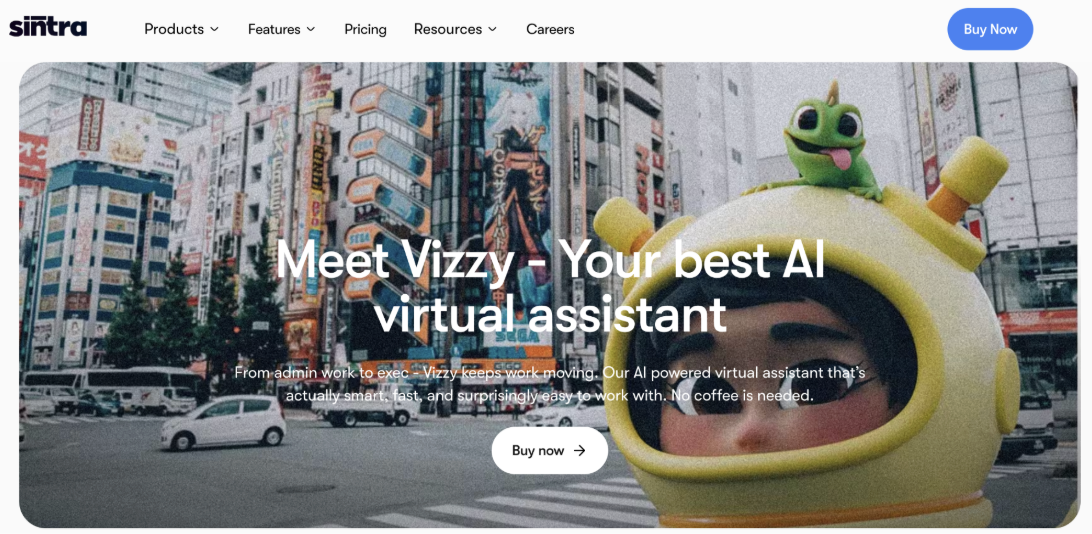
If you want one assistant that can support the day-to-day running of an online business, Sintra’s Vizzy AI virtual assistant is the strongest all-around choice.
Sintra positions Vizzy as an AI virtual assistant for work that can manage inboxes, calendars, meetings, recurring admin tasks, media generation, and background workflows. Sintra also says Vizzy can work with connected tools through its Brain AI layer, which stores context, preferences, materials, and instructions so the assistant improves over time instead of starting from scratch each time.
Why that matters for eCommerce:
• Store owners and managers lose time to admin, scheduling, coordination, and follow-ups
• Marketing teams need help drafting content and preparing visuals
• Operations teams need a tool that can keep work moving across many small tasks
• Growing brands often need support before they are ready to hire more specialists
Vizzy is not marketed as a Magento-only or Shopify-only store assistant. That is actually part of its advantage. It works well as a business-wide AI assistant for eCommerce brands that need help across operations, marketing support, planning, and execution. Sintra also offers a dedicated eCommerce-focused helper called Commet, which suggests the wider Sintra ecosystem is built with commerce use cases in mind.
• Best for: eCommerce founders, lean marketing teams, operations managers, and growing stores that want one flexible AI assistant across business tasks.
• Why it ranks #1: it covers more of the real work behind running an eCommerce business than tools that focus on only support or only copy.
2. Tidio Lyro — Best for smaller stores that want fast AI chat support
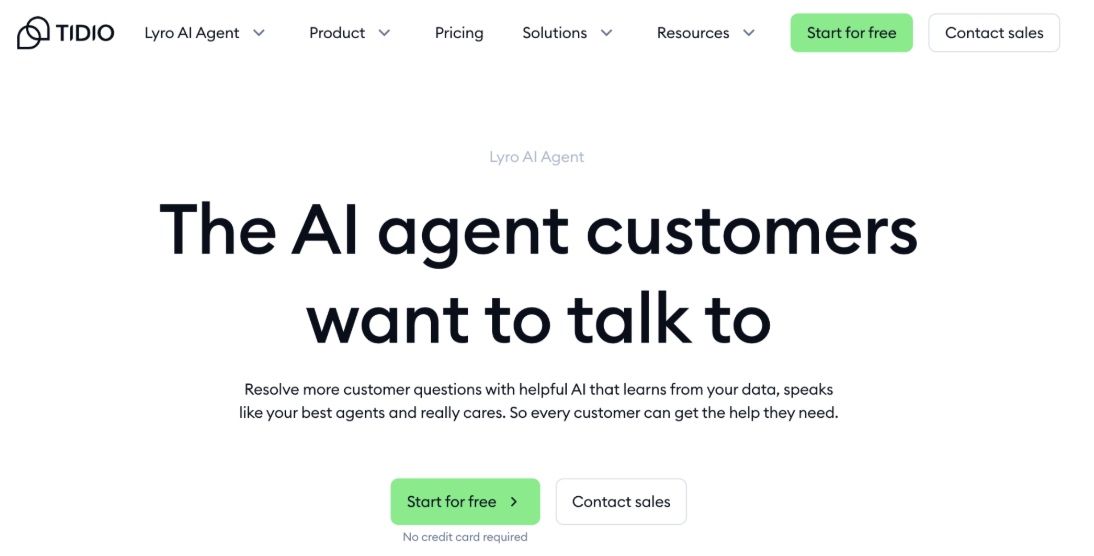
Tidio Lyro is a good choice for small and mid-sized eCommerce stores that want an AI agent focused on customer conversations.
Tidio says Lyro can answer questions using verified data sources, handle topics like order status, shipping policies, and product availability, and automate around 67% of customer inquiries on average. Tidio also positions the product as multilingual and eCommerce-ready.
This makes Lyro appealing for brands that want a lighter, more focused support assistant without moving to a larger enterprise system.
• Best for: SMB eCommerce stores that need 24/7 chat support automation.
• Why it stands out: simple support use case, clear eCommerce focus, approachable starting point.
3. Shopify Sidekick — Best for Shopify-native store management
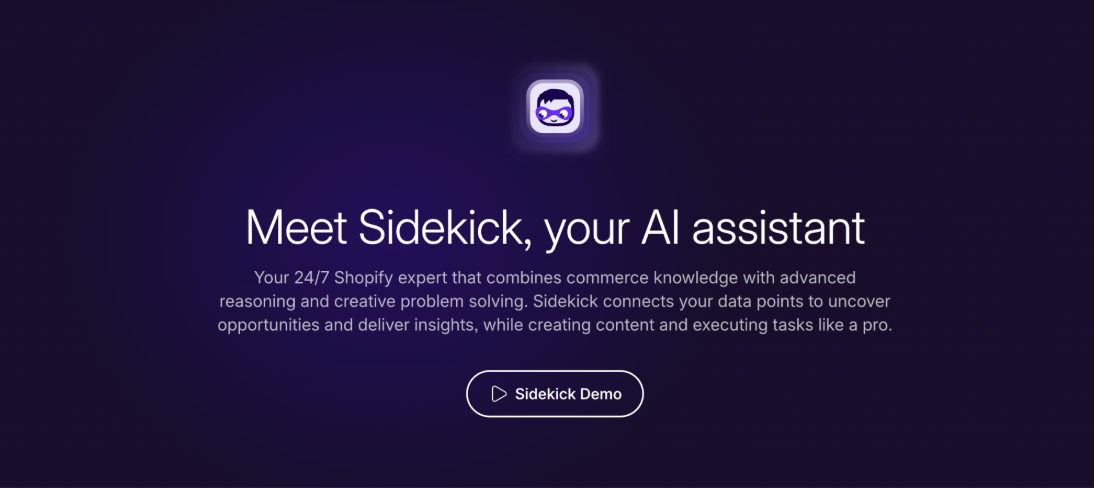
If your business runs on Shopify, Shopify Sidekick is one of the most practical AI assistants available.
Shopify says Sidekick has direct access to your store data, understands commerce workflows, and can take action inside Shopify admin. That makes it especially useful for merchants who want AI help with store analysis, admin tasks, and operational questions without leaving the platform.
Its biggest strength is native access. Its biggest limitation is also obvious: it is most valuable if you are fully invested in Shopify.
• Best for: Shopify merchants who want built-in AI assistance inside their admin.
• Why it stands out: strong store context and native workflow execution.
4. Gorgias AI Agent — Best for eCommerce customer support at scale
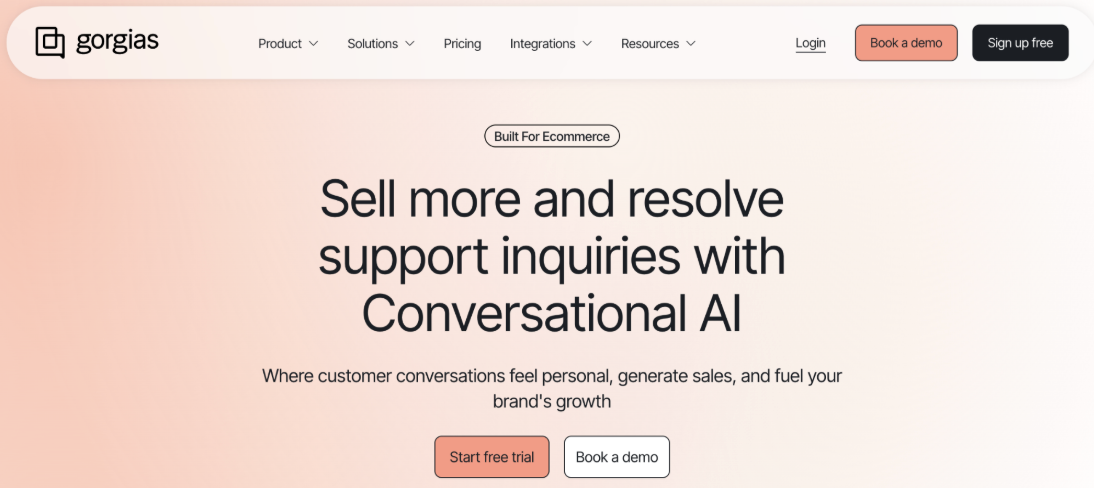
Gorgias is one of the strongest AI assistant options for support-heavy eCommerce brands.
Gorgias describes itself as a conversational AI platform for eCommerce, with AI Agent, helpdesk, chat, and automation built to drive both sales and support. Its product pages also highlight support for platforms including Shopify, WooCommerce, BigCommerce, Magento, and PrestaShop.
That makes Gorgias a strong fit for stores dealing with high ticket volume, repetitive support questions, and multichannel customer service.
• Best for: mid-size and larger online stores that want to automate support while keeping a commerce-specific helpdesk.
• Why it stands out: purpose-built for eCommerce support, not generic customer service.
5. Intercom Fin Ecommerce Agent — Best for guided shopping plus support
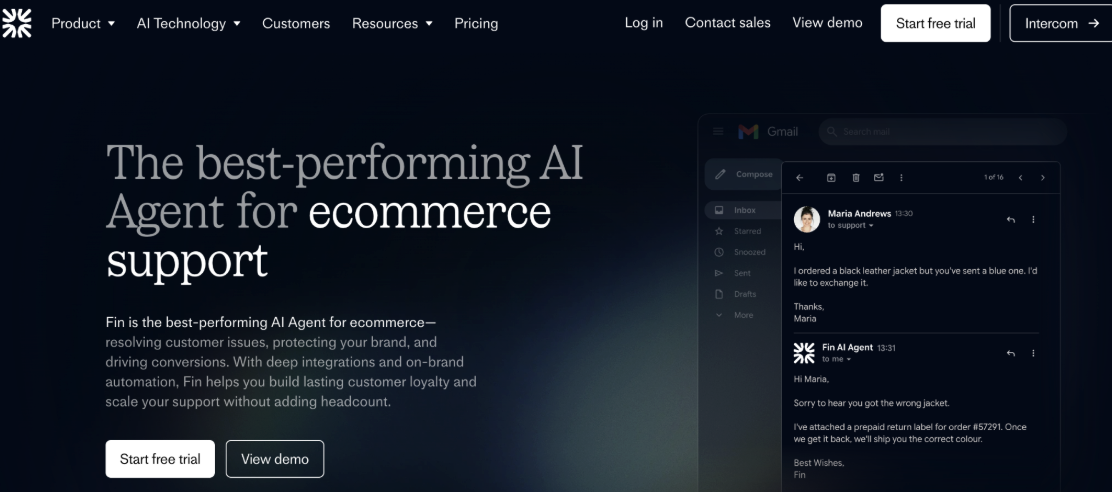
Intercom Fin Ecommerce Agent is worth a look if you want AI to do more than answer support tickets.
Intercom says Fin Ecommerce Agent is purpose-built for Shopify merchants and combines shopping assistance with eCommerce support. It helps shoppers find products, add items to cart, get answers, and move toward checkout more smoothly. Intercom also says Fin can work with existing helpdesks and support channels.
That puts Fin in an interesting category between support automation and conversion support.
• Best for: Shopify brands that want AI to help both service and sales conversations.
• Why it stands out: stronger pre-purchase and shopping-assistance angle than many support bots.
6. Jasper — Best for eCommerce marketing teams
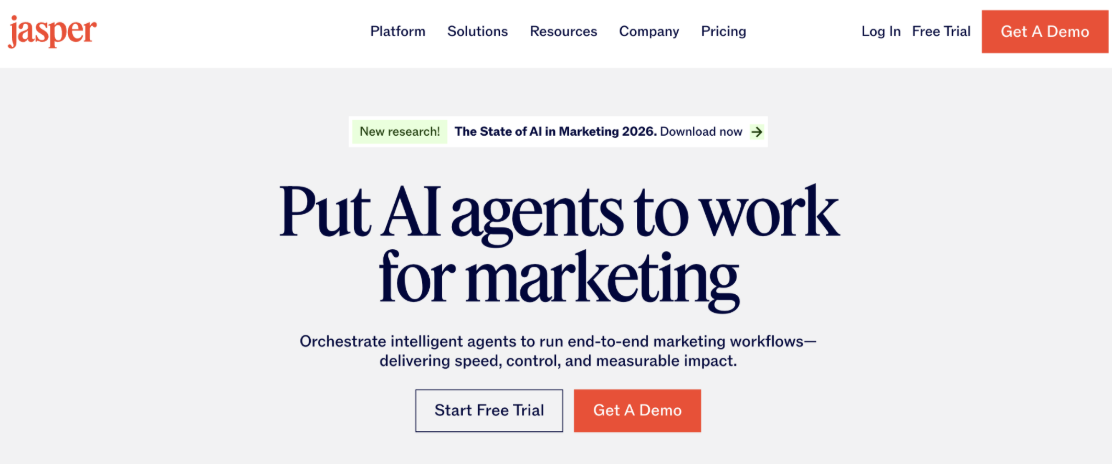
If your biggest bottleneck is content production, Jasper is one of the better AI assistants for the job.
Jasper positions itself as an agent workspace for marketing teams, with specialized AI agents, connected content workflows, and brand control features. It also has an eCommerce and retail solution page focused on helping brands launch more personalized campaigns faster.
Jasper is not an all-around store assistant. It is a marketing execution tool first. But for product descriptions, campaign content, email drafts, and creative velocity, it can be very useful.
• Best for: eCommerce marketing teams producing a lot of branded content.
• Why it stands out: strong brand-control and campaign-production focus.
7. HubSpot Breeze Customer Agent — Best for brands running eCommerce plus CRM-led growth
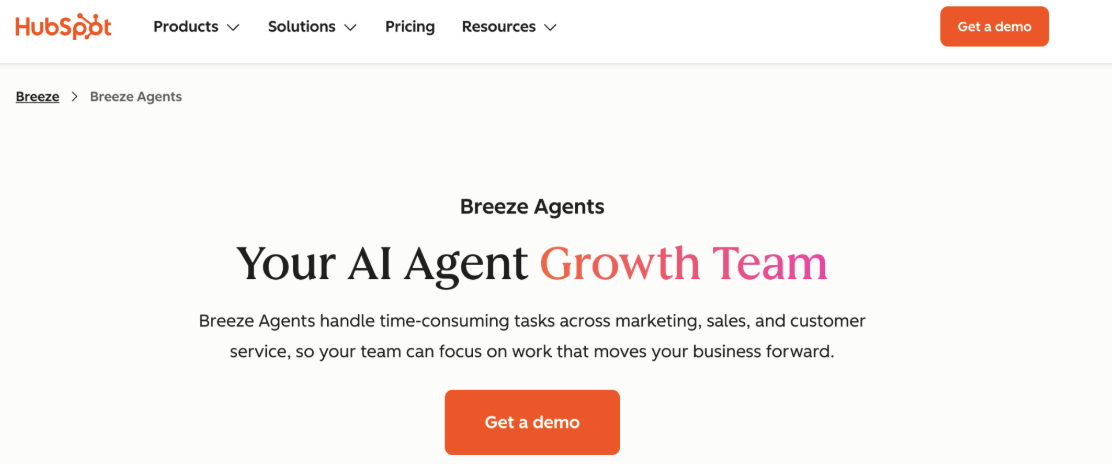
HubSpot Breeze Customer Agent makes sense for eCommerce businesses that also rely heavily on CRM, service, and lead nurturing.
HubSpot says its AI customer agent can qualify leads, answer sales questions, and resolve support issues instantly. HubSpot also positions Breeze Agents as a broader AI agent growth team for marketing, sales, and service.
This makes it more attractive for stores with complex customer journeys, repeat purchase strategies, and strong sales or service workflows outside the storefront itself.
• Best for: eCommerce brands with larger CRM, lifecycle marketing, or service operations.
• Why it stands out: fits businesses already invested in HubSpot’s ecosystem.
8. DepositPhotos AI Assistant — Best for eCommerce visual discovery and creative production
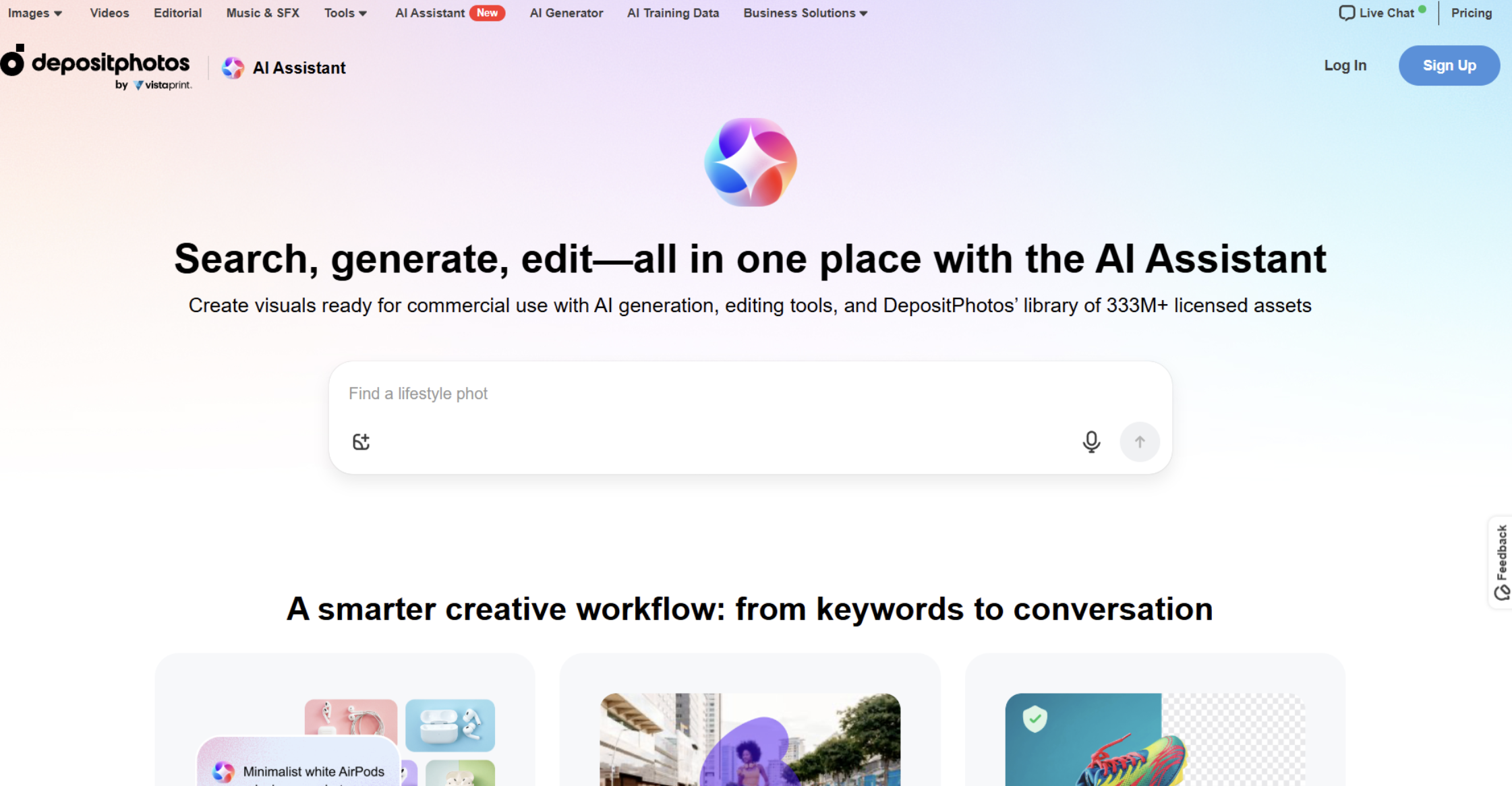
DepositPhotos AI Assistant is a strong fit for eCommerce teams that need help finding, creating, and adapting visual content rather than automating customer support.
The assistant combines conversational search with DepositPhotos’ library of 333M+ licensed assets, including images, videos, and audio. Teams can describe the product, audience, campaign goal, style, or mood in natural language, upload a reference, and explore relevant assets. They can also generate new images and use built-in tools to resize, upscale, extend backgrounds, remove objects, or remove backgrounds without switching platforms.
For eCommerce teams, this makes it particularly useful for discovering product and lifestyle imagery, developing campaign concepts, finding visuals that match an existing brand direction, and adapting creative assets for websites, ads, and social media.
• Best for: eCommerce marketers, designers, and small businesses that want to streamline visual discovery, creation, and editing.
• Why it stands out: combines licensed stock content, contextual AI search, image generation, creative ideation, and editing in one workflow.
How to choose the right AI assistant for your store
The right choice depends on your main bottleneck.
Choose Sintra Vizzy if you want a flexible assistant that helps your team across admin, coordination, content support, and recurring work. Choose Shopify Sidekick if you want native Shopify assistance. Choose Gorgias, Tidio, or Intercom Fin if customer support and shopper conversations are your top priority. Choose Jasper if marketing output is the problem. Choose HubSpot Breeze if you need an assistant that fits a broader CRM and service stack.
Final verdict
For many online businesses, the best AI assistant is not the one with the most hype. It is the one that actually reduces work across your team.
That is why Sintra Vizzy deserves the top spot on this list. It is broad enough to support the real daily workload of eCommerce teams, from admin and coordination to content and workflow support, while fitting into a larger Sintra ecosystem that also includes commerce-specific help. For stores that want one AI assistant to keep work moving without adding more operational overhead, Vizzy is a strong place to start.
Related Posts
- How Shoppers Discover Products in AI Answers - What Ecommerce Sites Should Do
- Best ESG Reporting and Disclosure Software for US Enterprises in 2026
- How Entrepreneurs Can Turn Business Success Into Lasting Wealth
- Rust for E-commerce: When Performance-Critical Backends Outgrow PHP
- E-commerce Virus Removal: How to Detect and Clean an Infected Website
- Top Data Privacy Management Software for 2026