



Evaluate the benefits of Shopify Plus for enterprise growth, including scalability, custom checkout, SEO migration, and post-launch optimization.
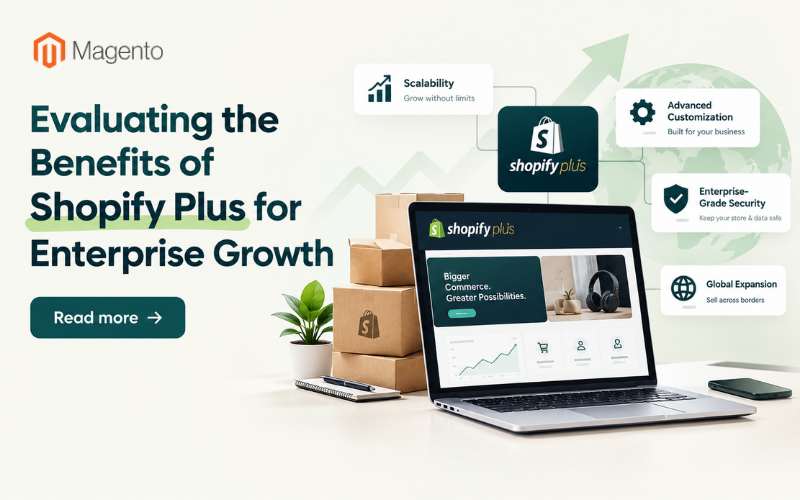
Transitioning an online retail brand from a standard setup to an enterprise-level SaaS ecosystem requires careful strategic preparation. Growing organizations frequently outgrow basic catalog structures, API rate limits, and rigid checkout frameworks, making a move to Shopify Plus essential for long-term scalability.
When commercial demands scale beyond basic software capabilities, businesses frequently partner with an experienced ecommerce website development agency to manage the technical complexities of shifting extensive product catalogs and historical customer databases.
For a detailed breakdown of enterprise requirements, merchants can consult the official Shopify Plus migration guide to understand platform capabilities and automated workflows.
Establishing a Comprehensive Replatforming Roadmap
A successful Shopify Plus transition requires mapping every core component of the digital storefront before executing any code changes. Data models must be audited completely to ensure full compatibility with Shopify APIs and Liquid architecture, preventing information loss during the transfer phase.
Stakeholders need to establish clear timelines that account for customer account mapping, order history structuring, inventory synchronization, and redirect planning. Proper preparation minimizes unexpected downtime and ensures that backend operational logic aligns cleanly with the new system interface
Managing Custom Checkout Extensions and Scripts

Moving to Shopify Plus provides advanced control over the checkout experience through Checkout Extensibility and custom functions, replacing older script methods. Technical teams must audit existing discounts, shipping rules, and payment gateways to ensure they integrate smoothly into the modern checkout infrastructure.
Testing custom checkout logic in a development store prevents transactional errors and guarantees that B2B or direct-to-consumer purchase flows execute without interruption during the live cutover.
Protecting Search Engine Visibility and Core Traffic

Migrating an online store to Shopify Plus carries inherent risks for organic search performance if URL structures, metadata configurations, and collection paths are mishandled. Every existing product, category, and blog page must have a 301 redirect mapped correctly to the new Shopify URL structure to retain link equity and user trust.
Technical teams must audit sitemaps, robots.txt files, and canonical tags continuously throughout the migration process to ensure search crawlers index the new environment properly.
Post Migration Testing and Optimization Protocols
Once the new Shopify Plus environment goes live, exhaustive quality assurance testing is mandatory to verify functional performance across all user touchpoints. Developers must evaluate mobile responsiveness, page load speeds, third-party app integrations, and automated email triggers under simulated heavy traffic loads.
Continuous performance monitoring helps identify bottlenecks in API calls or script rendering early on, ensuring the upgraded infrastructure delivers a reliable shopping experience.
Related Posts
- Evaluating the Benefits of Shopify Plus for Enterprise Growth
- How AI APIs Are Changing Modern eCommerce Website Development
- Why Configuration Management Matters for Magento and Cloud-Hosted Stores
- Best AI Website Builder in 2026: Tested, Ranked, and Compared
- Why Customer Service Calls Are Getting Answered by AI Agents
- How to Choose the Best Data Quality Tools for E-commerce and Software Teams