



Discover how AI automation in eCommerce improves personalization, customer support, inventory management, marketing, and online business growth.
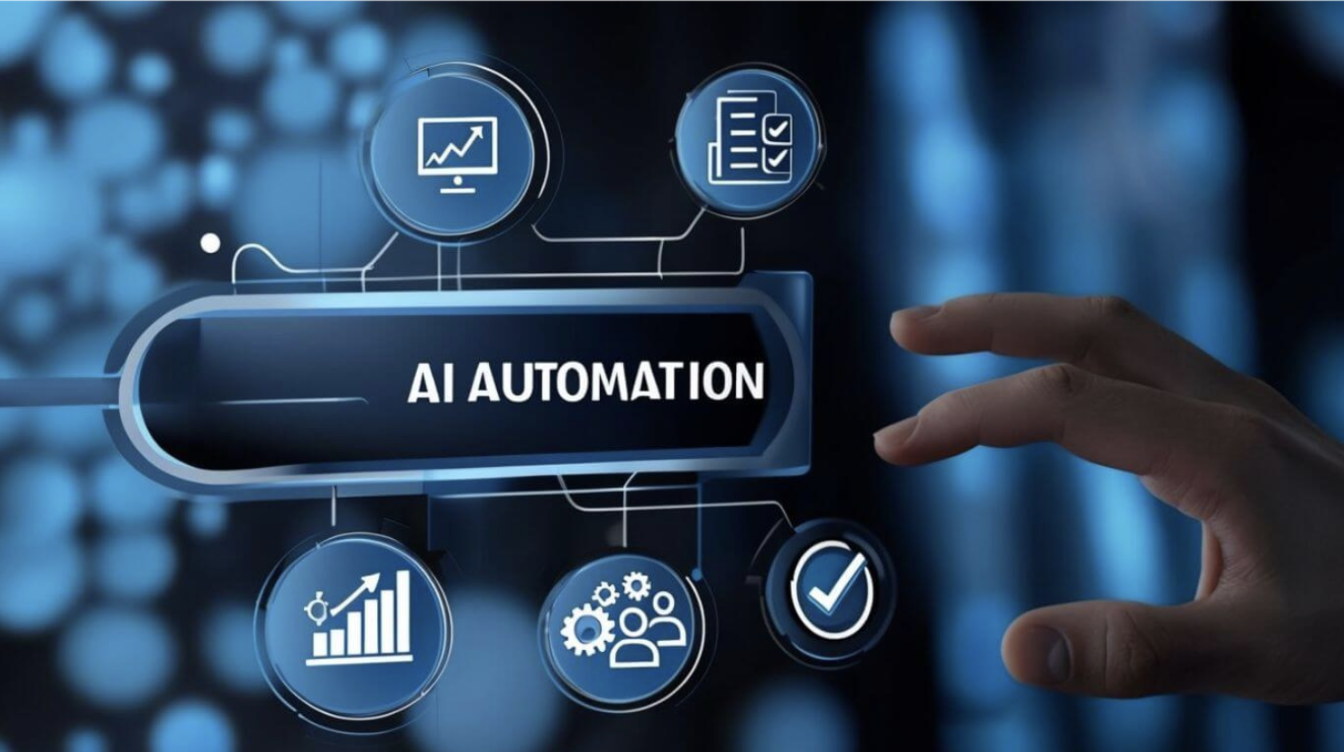
AI automation in eCommerce is rapidly changing how online businesses operate, compete, and grow. Modern consumers expect personalized shopping experiences, instant customer support, secure payment systems, and fast delivery. Meeting these expectations manually has become increasingly difficult for growing online stores.
For online businesses, meeting these expectations manually is becoming almost impossible. This is why artificial intelligence and automation technologies are rapidly transforming the eCommerce landscape. Businesses that adopt AI-driven systems are improving customer experiences, reducing operational costs, and increasing long-term profitability.
Today, AI is no longer reserved for massive corporations with unlimited budgets. Small and medium-sized online businesses are also integrating automation tools into their operations to stay competitive in an increasingly crowded market.
Why AI Automation in eCommerce Matters
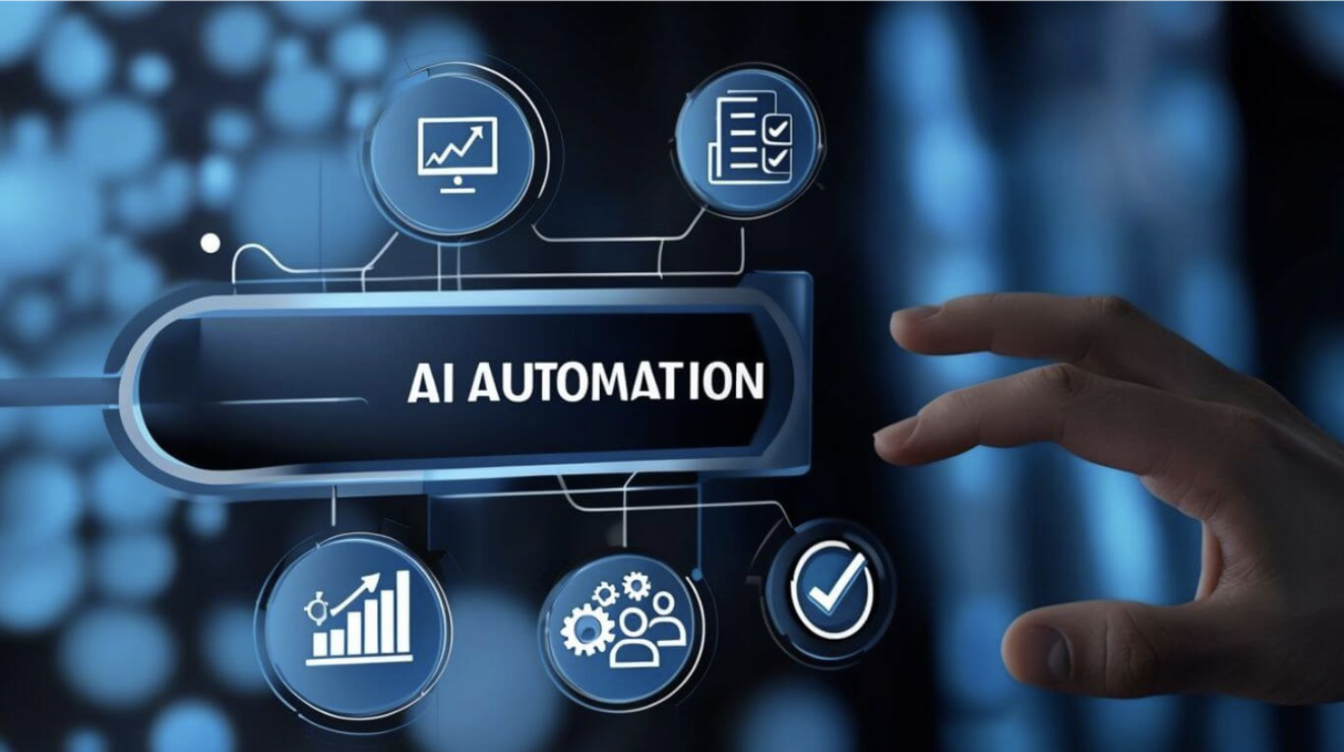
Artificial intelligence allows online stores to process large amounts of customer data quickly and efficiently. Instead of relying on assumptions, businesses can now use real-time data to understand customer behavior, predict trends, and improve decision-making.
AI systems analyze browsing patterns, shopping habits, abandoned carts, customer preferences, and purchasing history. Using this information, businesses can personalize content, recommend products, and create targeted marketing campaigns that feel more relevant to individual shoppers.
This level of personalization helps businesses improve customer engagement while increasing conversion rates. When customers feel that an online store understands their needs, they are far more likely to complete purchases and return in the future.
Platforms such as Magento and Adobe Commerce are especially suitable for AI integration because they offer flexibility and scalability for advanced automation systems.
Personalized Shopping Experiences
One of the biggest advantages of AI in eCommerce is personalization. Modern customers no longer want generic shopping experiences. They expect online stores to recommend products that match their interests and preferences.
AI-powered recommendation engines analyze customer activity and suggest products based on:
• Previous purchases
• Browsing history
• Wishlist activity
• Popular trends
• Similar customer behavior
This creates a more engaging shopping experience and often increases the average order value. Customers are more likely to purchase additional products when recommendations feel relevant and useful.
Large companies like Amazon have demonstrated how powerful recommendation systems can dramatically increase revenue. Today, smaller businesses can implement similar strategies using affordable AI tools and integrations.
Smarter Customer Support Systems
Customer service has become one of the most important factors influencing online purchasing decisions. Slow responses and unresolved issues can quickly damage customer trust and hurt sales.
AI-powered chatbots and virtual assistants are helping businesses provide faster and more efficient customer support. These systems can answer common questions, guide customers through the checkout process, provide order updates, and even handle refunds or return requests.
Unlike traditional support teams, AI systems can operate 24 hours a day without interruptions. This improves customer satisfaction while reducing operational costs.
Modern chatbots are becoming increasingly intelligent thanks to machine learning technology. They can understand customer intent, recognize patterns in conversations, and improve their responses over time.
For eCommerce businesses operating internationally, AI chat systems also help provide multilingual customer support, making it easier to communicate with global audiences.
Inventory and Supply Chain Optimization
Managing inventory manually can become extremely difficult as an online business grows. Overstocking products can waste money and storage space, while running out of stock can lead to lost sales and frustrated customers.
AI-driven inventory management systems help businesses optimize stock levels using predictive analytics. These systems analyze historical sales data, seasonal trends, and customer demand patterns to forecast future inventory needs.
Automation can also improve supply chain operations by:
• Tracking product availability
• Predicting delivery delays
• Monitoring warehouse performance
• Reducing inventory waste
• Improving shipping accuracy
This level of efficiency allows businesses to reduce unnecessary expenses while improving customer satisfaction through faster and more reliable order fulfillment.
AI and Digital Marketing
Marketing has become increasingly data-driven in recent years. Traditional advertising methods are often too broad and inefficient for modern online businesses.
AI helps businesses create highly personalized marketing campaigns that target the right audience at the right time. Instead of sending generic promotional emails, AI systems can segment customers based on behavior and automatically deliver customized offers.
These tools improve:
• Email open rates
• Click-through rates
• Conversion rates
• Customer retention
• Return on advertising investment
AI-powered advertising platforms can also optimize ad budgets automatically by identifying which campaigns are performing best.
This allows businesses to spend marketing budgets more efficiently while generating better results.
Fraud Detection and Online Security
Security remains one of the biggest concerns in eCommerce. Online businesses handle sensitive customer information, including payment details and personal data. Cybersecurity threats continue to evolve, making fraud prevention more important than ever.
AI systems are helping businesses identify suspicious activities in real time. Machine learning algorithms analyze purchasing behavior and detect unusual patterns that may indicate fraudulent activity.
These systems can identify:
• Suspicious transactions
• Fake accounts
• Payment fraud attempts
• Account takeovers
• Unusual login behavior
Automated fraud detection reduces financial losses while protecting customer trust.
Customers are far more likely to shop on websites that demonstrate strong security practices and reliable payment systems.
The Role of Legal Compliance in Online Businesses

As eCommerce expands globally, businesses must also manage legal responsibilities more carefully. Privacy regulations, refund policies, digital contracts, and terms of service are becoming increasingly important for professional online stores.
Many businesses struggle with creating legal documents efficiently while maintaining compliance with modern regulations. Tools like Lawdistrict help simplify document creation and reduce the complexity of handling legal paperwork for growing online businesses.
This allows store owners to focus more on customer experience, marketing, and operational growth while maintaining professional standards.
Automation Improves Productivity
Many daily eCommerce tasks are repetitive and time-consuming. Automation allows businesses to reduce manual work and focus on strategic growth.
AI-powered automation tools can handle:
• Order processing
• Customer notifications
• Product updates
• Inventory synchronization
• Shipping confirmations
• Customer segmentation
• Review requests
• Data reporting
By automating repetitive tasks, businesses can improve efficiency while reducing human error.
This becomes especially valuable for growing online stores that handle large numbers of products and customer interactions daily.
AI Helps Businesses Scale Faster
One of the biggest challenges for online businesses is scaling operations without dramatically increasing costs. Hiring large support teams and managing operations manually becomes expensive and inefficient over time.
AI allows businesses to grow more sustainably by automating many operational processes. This makes it easier for companies to expand product catalogs, manage larger customer bases, and enter new markets without overwhelming internal teams.
Scalable automation systems are becoming essential for businesses that want long-term growth in competitive eCommerce industries.
The Future of AI in eCommerce
Artificial intelligence technology is evolving rapidly, and its influence on eCommerce will continue to expand in the coming years.
Future innovations may include:
• Voice shopping experiences
• AI-generated product descriptions
• Virtual shopping assistants
• Predictive customer service
• Advanced visual search tools
• Hyper-personalized storefronts
Businesses that adopt AI early are positioning themselves for stronger long-term success. Consumers increasingly expect fast, personalized, and convenient online shopping experiences, and AI is becoming the foundation that makes those experiences possible.
Magento and Adobe Commerce platforms are likely to remain highly valuable because of their flexibility and ability to integrate advanced technologies.
Ultimately, AI is not replacing human creativity or business strategy. Instead, it is helping businesses operate more intelligently, improve customer satisfaction, and compete more effectively in the rapidly evolving digital marketplace.
The future of eCommerce belongs to businesses that can combine automation, personalization, and customer-focused innovation into one seamless digital experience.
Related Posts
- Why Configuration Management Matters for Magento and Cloud-Hosted Stores
- Best AI Website Builder in 2026: Tested, Ranked, and Compared
- Why Customer Service Calls Are Getting Answered by AI Agents
- How to Choose the Best Data Quality Tools for E-commerce and Software Teams
- How AI Is Transforming Website Development Tools in 2026
- Self-Hosted n8n vs Cloud n8n: Which Option Is Better for Your Business?