



Explore how wearable technology is changing e-commerce through voice and visual search, AI eyewear, connected shopping, personalization, and privacy.
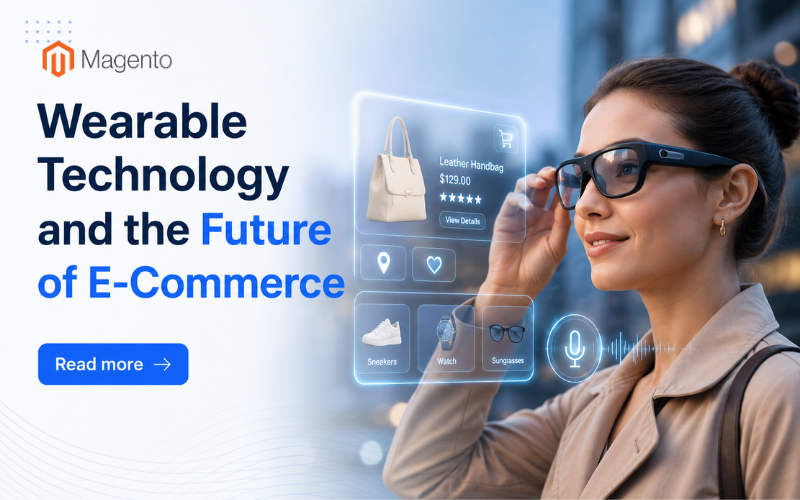
E-commerce has always followed the devices people use. Desktop websites introduced online catalogs, smartphones made shopping portable, and mobile apps added location, notifications, and digital wallets. Wearable technology may become the next step, but its influence will not come from shrinking a conventional store onto an even smaller screen.
The more interesting possibility is a shopping journey that begins in the world around the customer. A wearable device can help someone notice, identify, remember, or learn about a product while their hands remain free. For online merchants, that creates new opportunities as well as a new set of expectations for data, design, and privacy.
A New Starting Point for Product Discovery
Many shopping journeys already begin outside an online store. A customer sees a jacket on the street, notices a chair in a restaurant, or hears a friend mention a useful device. The usual next step is to remember the item and search for it later, often with incomplete information.
Wearables can shorten that gap. Using smart devices or glasses that record video, voice input can capture a question immediately while an onboard camera helps identify visual characteristics. The customer may not purchase at that moment, but the product can be saved, compared, or added to a list. This makes discovery less dependent on remembering the perfect keyword.
Voice and Visual Search Will Shape Catalogs
Typed search rewards short, predictable phrases. Spoken requests are usually longer and more conversational. Visual searches depend on clear images and recognizable product details. Merchants that want to serve both forms of discovery need structured catalogs rather than descriptions filled with vague promotional language.
Useful attributes include material, color, dimensions, compatibility, style, condition, and intended use. Consistent categories also matter. If the same feature is described differently across dozens of products, an AI system may struggle to compare them accurately. Clean data improves search on a website today and makes the catalog easier to use through future interfaces.
Wearables Can Connect Stores and Online Accounts
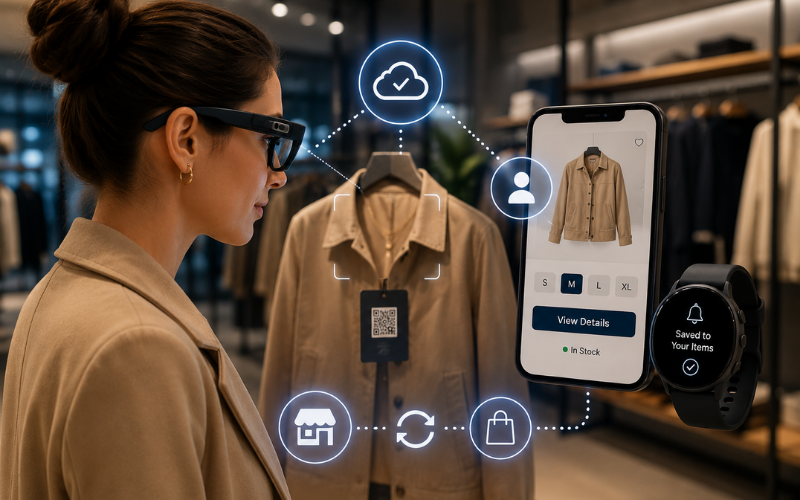
Physical and digital retail often share inventory but not context. A customer may inspect an item in a shop and later search for it again online. A connected wearable could help save the exact product, check whether another size is available, or send the details to a phone for a closer look.
This type of continuity depends on well-designed accounts and APIs. The customer's saved items, preferences, and permissions should move safely between channels. Retailers should avoid forcing account creation too early, but they also need a reliable way to remember a choice when the customer asks them to do so.
AI Eyewear Introduces Hands-Free Commerce
Glasses are particularly relevant because they are positioned close to the wearer's eyes and ears. Modern AI glasses can combine voice assistance, audio, a camera, and connected software in one familiar object. In commerce, the same general pattern could support quick product questions, store navigation, list management, or communication with customer service.
The best experiences will keep interactions brief. Few shoppers want a long product page read aloud while standing in a store. A short answer, a useful comparison, or an option to continue on the phone is more realistic. Wearables should remove friction, not add a new layer of menus.
Marketplaces May Gain New Participants
Wearable commerce is not limited to large retailers. Marketplaces could help local shops, independent sellers, and service providers become easier to discover in context. A traveler might ask where to buy a specific item nearby, while a homeowner could identify a replacement part and find sellers that stock it.
To participate, smaller merchants need accurate listings and dependable availability data. Platforms can help by offering simple product templates, image standards, and inventory integrations. If the technical requirements become too complex, wearable discovery may favor only the largest catalogs.
Trust Must Be Designed into the Experience
A device that understands location, images, and spoken requests can make recommendations more useful. It can also create understandable concern. Customers should know when information is being captured, why it is needed, and whether it will influence advertising or pricing. This matters for devices that combine a camera, microphone, and voice assistant, since it's not always obvious to a customer whether something they looked at or asked about is being used to shape a future offer or price. AI sunglasses fall into this same category, and retailers offering products like this would need to be clear about whether captured images or voice requests factor into personalization or pricing decisions.
Retailers should ask for permission at the moment it becomes relevant and provide a useful experience even when optional data is refused. Payment and account actions need clear confirmation so a casual voice command cannot create an unintended order. Good privacy design will be part of the customer experience, not a separate legal notice.
Preparing an E-Commerce Platform
Merchants do not need to predict which wearable device will become most popular. They can prepare by strengthening the parts of e-commerce that are valuable on every platform: structured product information, fast and accessible pages, high-quality images, secure APIs, accurate inventory, and a consistent customer account.
Wearable technology will probably develop alongside phones rather than replacing them. The future shopping journey may start with a glance or a question, continue on a mobile screen, and finish through delivery or store pickup. E-commerce platforms that can preserve context across those steps will be ready for whichever interface customers choose next.
Related Posts
- What an AI Performance Agent Does With Your Shopify Ad Account
- 5 Latest E-Commerce Trends to Watch Out For in 2026
- How Retail Automation Is Transforming Magento Stores Through Smarter Inventory and Order Management
- Wearable Technology and the Future of E-Commerce
- Migrating to Shopify? Here's How to Protect Your Search Rankings
- How to Hire and Manage a Remote Development Team for Your Magento Store