



Explore how real estate mobile apps development transforms property searches, lead management, tenant services, payments, and property management workflows.
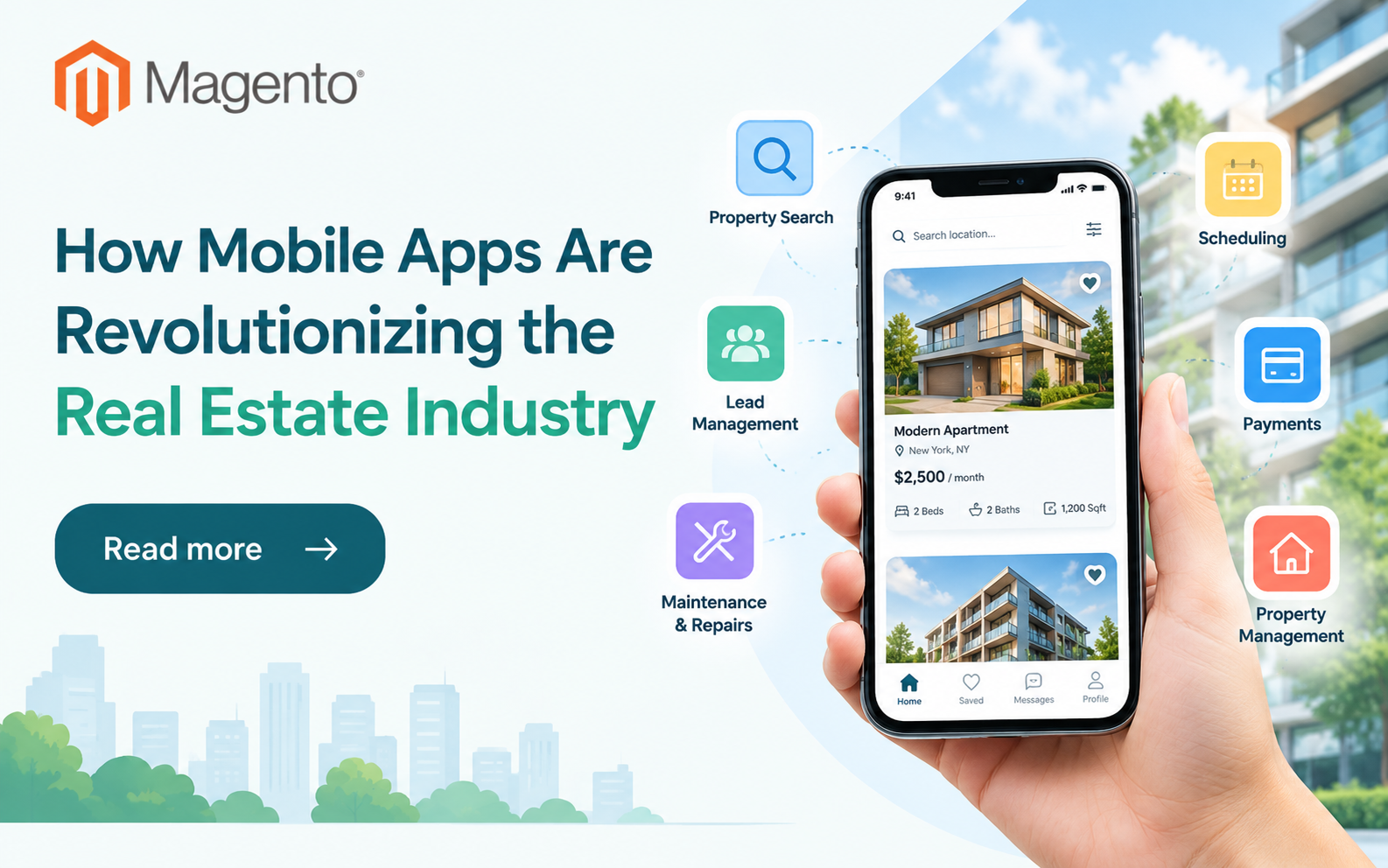
A buyer finds an apartment online, calls the agent, and learns that it was rented two days ago. The listing was never updated. Elsewhere, a tenant reports a repair by email while the property manager tracks it in a spreadsheet. These ordinary problems point to a larger issue: property information is scattered across systems that do not always communicate. Real estate mobile apps development is changing how businesses bring those records and the people using them into the same workflow.
The Listing Is Only as Useful as the Data Behind It
A property search looks simple on a phone: enter a location, set a budget, select the number of bedrooms, and scroll through results. Behind that screen, the application retrieves records, applies filters, displays images, and checks availability.
Real estate mobile applications help buyers compare details such as floor area, service charges, parking, furnishing, nearby transport, and the date a listing was last verified. Those details can matter as much as the asking price.
Keeping them current is harder. An agent may mark a property as rented in the agency's management system while an older version remains visible in the app. This can happen when updates are entered manually, synchronisation is delayed, or two systems hold separate versions of the same record.
A property listing mobile app should draw from an agreed source of truth. The business needs to decide which system owns each field, who can change it, and how quickly updates must appear elsewhere. It should also flag listings that have not been checked recently. Without these rules, a polished search interface can deliver inaccurate information faster.
An Enquiry Should Not Become Another Disconnected Record
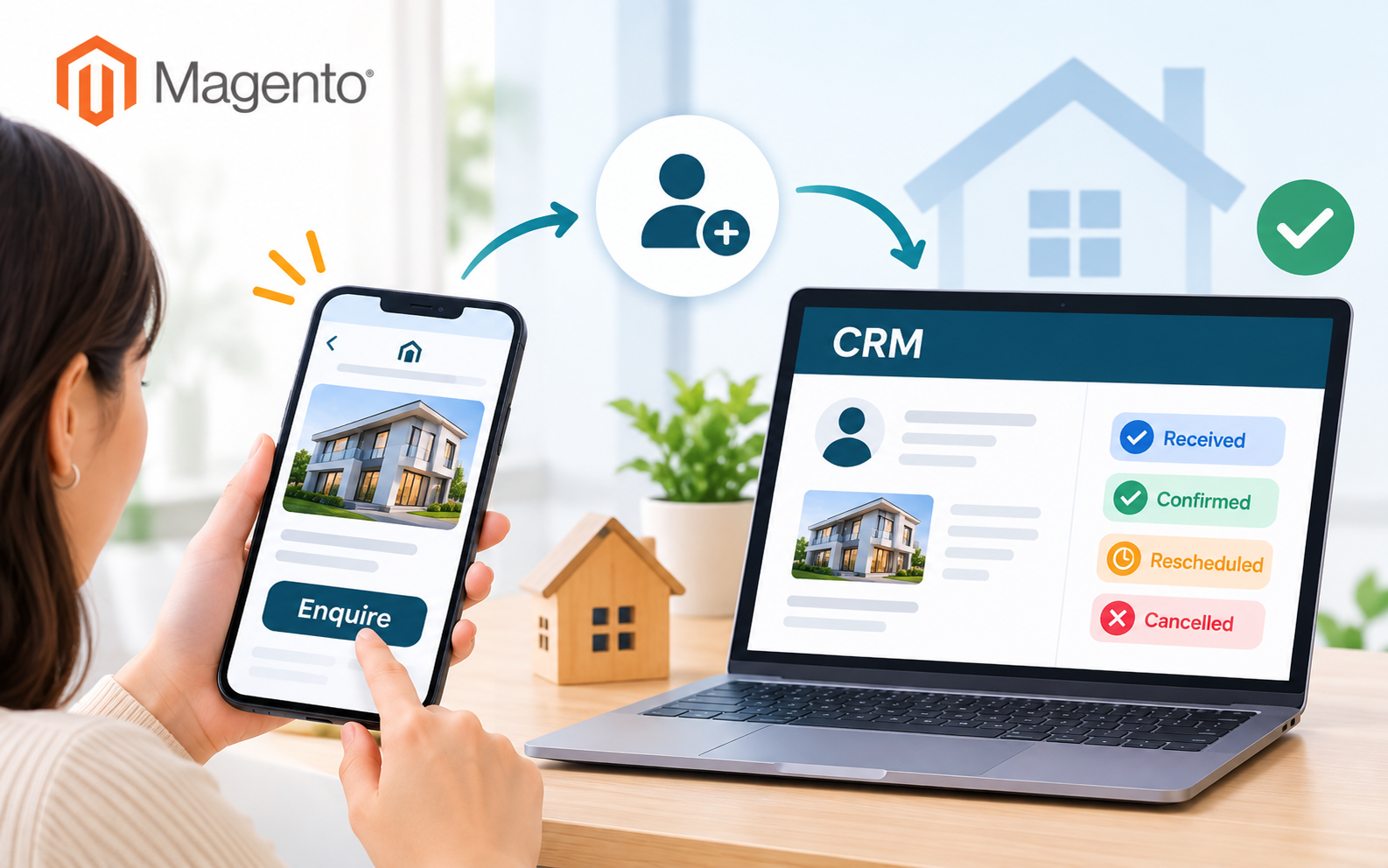
When an enquiry arrives in an agent's inbox while the customer record sits in a separate CRM, someone has to copy the details across. A phone number can be mistyped, a duplicate profile created, or a colleague may miss an earlier follow-up.
Mobile apps for real estate can reduce this gap when the enquiry form connects directly to the brokerage's CRM. The application can pass across the selected listing, contact details, preferred viewing time, and the buyer's questions. The CRM can assign the lead and preserve the follow-up history.
The business must decide how to identify duplicate contacts, reassign leads when an agent leaves, and restrict customer details by role. Viewing requests also need clear statuses - received, confirmed, rescheduled, or cancelled - so a notification does not promise a visit the agent has not accepted.
A 360-degree tour can help someone relocating from another city shortlist properties, but it cannot confirm whether a boiler works or a street is noisy at night. It does not replace an inspection.
Property Management Brings a Different Set of Records
After a tenant moves in, rent dates, lease documents, inspections, contractor visits, and repair requests may be held by different people.
Real estate property management apps can give tenants, owners, managers, and contractors access to the parts of a property record relevant to them. A tenant can report a leak and attach a photograph. The manager assigns a contractor, records the visit, and closes the job when the repair is complete. The owner can see the expense and completion date without receiving every message exchanged along the way.
Permissions matter. Tenants should not see another resident's payment history; contractors need job details, not lease agreements; owners may need financial summaries without access to private tenant conversations. These boundaries should be designed before development begins.
Rent collection also requires more than a payment screen. The system must match a gateway confirmation to the tenant and property, issue a receipt, and update the ledger. If a payment succeeds but the app times out before showing confirmation, the user should not be prompted to pay again. Transaction references and server-side verification help resolve that uncertainty.
The Technical Decisions That Keep Systems in Sync
A real estate mobile app development project often connects several services: a listing database, CRM, mapping provider, payment gateway, document store, and sometimes an accounting system. APIs allow them to exchange data, but an integration does not automatically guarantee consistency.
Developers must plan for failed requests, delayed responses, and conflicting updates. If an agent changes a property's status during synchronisation, the system needs a rule for deciding which update takes precedence. Logs should identify when and where a record changed.
Mapping applications make it easy to search around a specific postcode or landmark, but a truly effective service should clearly distinguish between a simple straight-line radius and actual road or public transport travel times.
Property pages carry large photographs, floor plans, and video. Resize images for the device and use caching carefully: old availability must not be treated as current when someone is about to enquire or pay.
AI Is Only as Useful as the Information It Receives
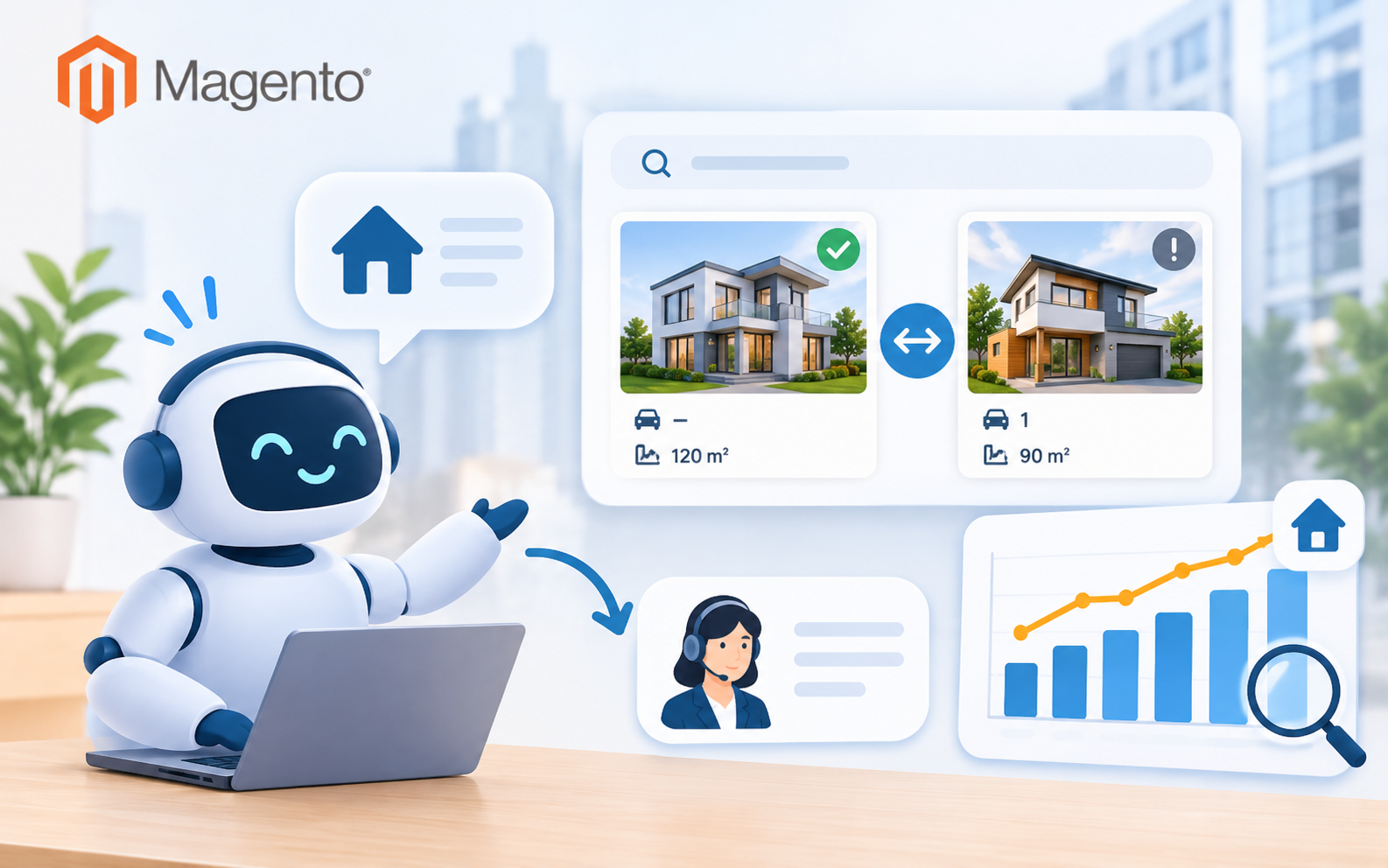
Recommendation tools can rank properties by budget, area, type, and saved searches. But incomplete listing fields undermine the result: two homes cannot be compared reliably if one record omits parking or floor area.
Chatbots can answer routine questions about viewing arrangements or details already included in a listing. Questions about ownership, contract terms, negotiations, or legal status need a qualified person. The app should make that hand-off straightforward.
Analytics can show which listings attract views but few enquiries, prompting a review of price, photographs, description, or availability.
Choose the Workflow Before Choosing the Feature List
The required real estate app features depend on who will use the product. A brokerage may prioritise lead assignment and viewing schedules; a landlord may need rent records and repair tracking; a developer selling new homes may need unit availability, floor plans, and booking enquiries. Trying to include every function in the first release can make the app harder to use and more expensive to maintain.
Real estate app development should start with the tasks users struggle to complete today. Map how a listing is created, approved, updated, enquired about, and removed. Then examine what happens after a tenant reports a problem or makes a payment. Those journeys show which integrations are essential and which features can wait.
Native development, cross-platform frameworks, and Progressive Web Apps (PWAs) suit different requirements. Custom real estate app development also needs a maintenance plan. Listing feeds change, payment providers update their APIs, and mobile operating systems introduce new requirements. Budgeting only for launch leaves no clear owner for testing, updates, or user-reported problems.
Final Thoughts
Effective real estate mobile app development is ultimately judged in less visible moments: whether an unavailable property disappears promptly, an enquiry reaches the right agent, a tenant can follow a repair, and a payment is recorded once. These details may not feature in a product demonstration, but they determine whether people continue using the application after the first search.
Related Posts
- Top Advertising Agencies in 2027: Best Global Firms & How to Choose
- How Mobile Apps Are Revolutionizing the Real Estate Industry
- How Data Annotation for AI in Energy Improves Renewable Energy Monitoring
- How-To guide: Set up domain and hosting for your Magento 2 store
- How to Match Your Phone Case to Your iPhone Color
- The Best Medical Virtual Receptionists and Answering Services (2027 Guide)