


Learn how to set up GS1 QR codes for food traceability, improve recall accuracy, track batches, and build consumer trust with GS1 Digital Link technology.
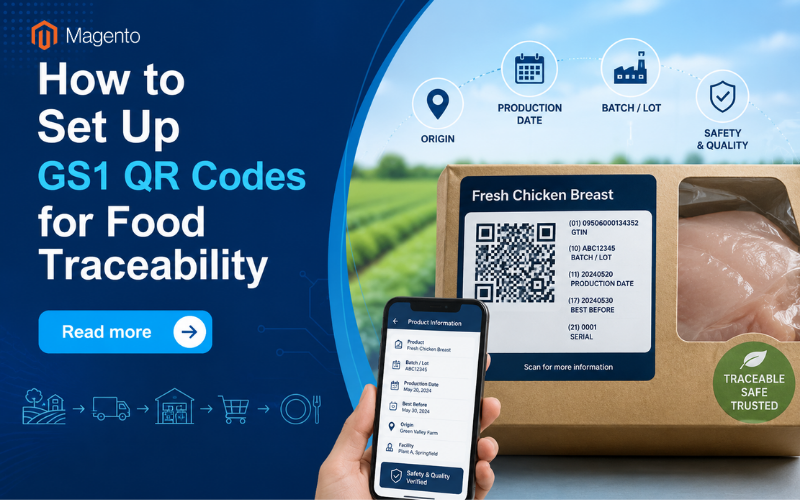
When a food safety issue happens, the speed and precision of the response determines how much damage gets contained. A contaminated batch identified within hours can be pulled from a handful of stores. The same batch identified days later, after it has reached more shelves and more kitchens, becomes a much larger and more expensive recall, both in financial terms and in terms of trust with consumers.
Traceability is the difference between those two outcomes, and GS1 QR codes have become one of the most effective tools for building traceability into food products from the point of production all the way to the consumer's plate. Here is how to set up a system that actually delivers that level of precision.
Why Traditional Barcodes Fall Short for Food Traceability
Traditional linear barcodes have served the food industry for decades, but they were designed primarily to identify what a product is, not to carry the depth of data that modern traceability requires. A standard barcode typically encodes just a GTIN, the number that identifies the product type. It does not inherently carry batch information, harvest or production dates, or the specific lot a particular package came from.
To trace a specific package back to its origin using a traditional barcode setup, businesses usually rely on separate systems that link the basic barcode to records stored elsewhere, often requiring matching against purchase order numbers, shipment dates, or other indirect identifiers. That process works, but it is slower and more prone to error than having the relevant data travel directly with the product.
GS1 QR codes solve this by encoding the GTIN alongside batch or lot numbers, production and expiration dates, and serial numbers directly within the code itself, following a standardized structure that any compliant system can read immediately without needing to look anything up elsewhere first.
What Data Should Be Included in a Food Traceability QR Code
For most food products, a GS1 QR code built for traceability purposes should include several key pieces of data. The GTIN identifies the specific product. The batch or lot number identifies the specific production run, which is the most critical piece of data for isolating an issue during a recall. The production date and expiration or best-before date provide both safety information for consumers and additional context for identifying affected products. In some cases, additional data such as the specific facility of origin or harvest location adds further precision, particularly relevant for products like produce or seafood where origin matters significantly for both safety tracing and consumer interest.
This combination of data, properly structured according to GS1 Application Identifiers, means that scanning a single code on a package provides complete identification of exactly what the product is, which batch it came from, and when it was produced, all without needing a separate database lookup for the basic facts.
Step by Step: Setting Up GS1 QR Codes for Food Traceability
1. Step 1: Obtain your GS1 Company Prefix and product GTINs. This is done through your regional GS1 member organization and is the foundational identifier system that everything else builds on. If your business already uses traditional barcodes, you likely already have this in place and can extend it to QR code implementation.
2. Step 2: Define your batch and lot numbering system. Decide how batches will be identified internally, ensuring the numbering system is consistent and unambiguous. This typically ties to specific production runs, harvest dates, or processing batches, depending on your type of food product.
3. Step 3: Determine what additional data points matter for your specific product. Dairy and meat products often benefit from processing date and facility information. Produce often benefits from harvest date and origin location. Packaged goods with longer shelf lives benefit significantly from clear expiration date encoding. Tailor the data set to what is actually relevant for your category rather than including unnecessary fields that complicate the code structure.
4. Step 4: Choose a generation platform built specifically for GS1 Digital Link compliance. This is the most important technical decision in the entire process. The gs1 qr code generator from digital-link-qr-code.com is designed precisely for this purpose, guiding users through the correct GS1 data structure and ensuring Application Identifiers are applied correctly for GTINs, batch numbers, dates, and other traceability data.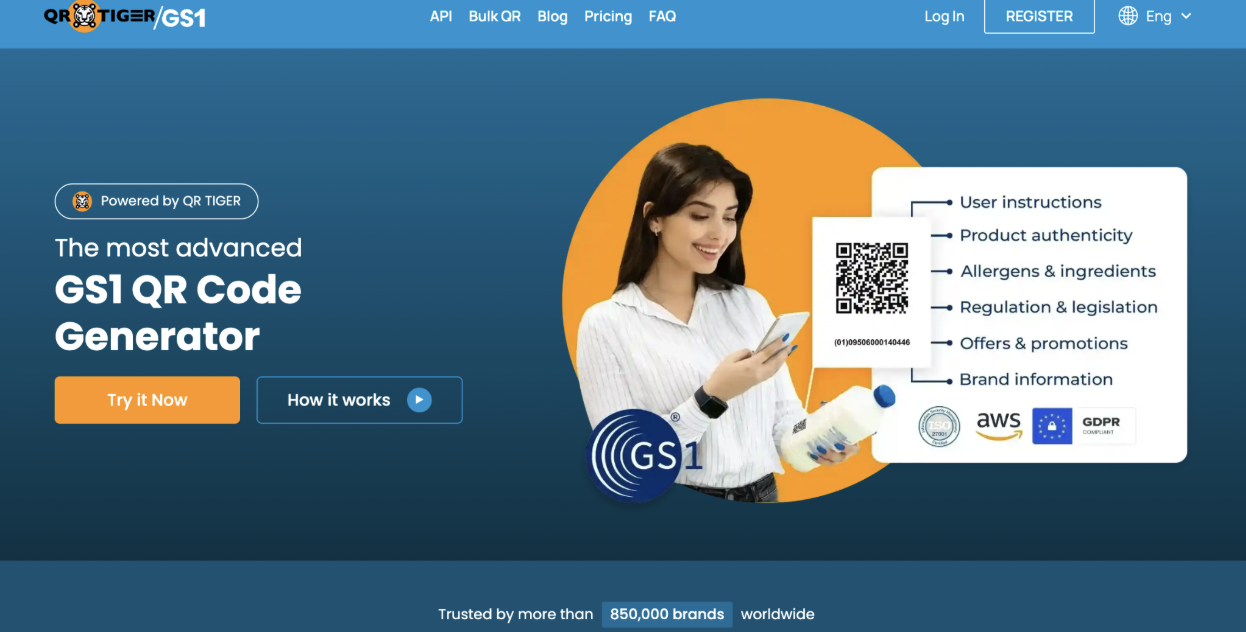
The platform's support for GS1 Digital Link also allows the code to connect to a web destination that can serve different information depending on who is scanning. A consumer scanning the package might see sourcing information and a freshness guarantee. A retailer scanning the same code during receiving sees batch and expiration data relevant to shelf rotation. A regulator investigating a potential issue sees full traceability documentation. The underlying GS1 identifier data remains consistent and standardized throughout, while the digital experience adapts to context.
5. Step 5: Validate your codes before full production. Before printing labels at scale, validate that the codes meet GS1 standards and will be read correctly by the scanning systems used by your distribution and retail partners. This step is especially important for traceability applications, since a structural error discovered only after a recall situation has begun would defeat the entire purpose of the system.
6. Step 6: Apply codes at the point of packaging. Labels should be applied as close to the point of production and packaging as possible, ensuring the batch and date information encoded is accurate at the moment of application rather than relying on a separate, potentially disconnected labeling step later in the process.
7. Step 7: Ensure your internal systems log batch data against each code. The QR code carries the identifying information, but your internal traceability system should also maintain records connecting that batch number to specific production details such as ingredient sourcing, processing parameters, and distribution destinations. The code is the key that unlocks rapid identification, but the depth of traceability ultimately depends on the records your business maintains behind it.
8. Step 8: Confirm distribution and retail partners can scan and process GS1 QR codes. Some partners may still rely on systems built around traditional barcodes only. Confirming compatibility before shipment prevents situations where a well-designed traceability code cannot actually be read at a critical point in the supply chain.
How This Plays Out During a Recall
The real value of this setup becomes clear in a recall scenario. If a quality or safety issue is identified in a specific production batch, having that batch number encoded directly in the product's QR code means the affected units can be identified immediately and precisely, without ambiguity about which products from which production run need to be pulled.
Retailers receiving a recall notice with a specific batch number can scan products on their shelves and immediately confirm whether what they have in stock matches the affected batch, rather than relying on visual inspection of printed dates that may be small, faded, or inconsistently placed. Consumers, in markets where consumer-facing recall information is connected through GS1 Digital Link, can scan a product they already purchased and immediately learn whether it is part of an affected batch.
This precision is what separates a contained, narrowly targeted recall from a broad, costly one that pulls far more product than necessary because the affected batch could not be isolated quickly and confidently.
Building Consumer Trust Through Transparency
Beyond the regulatory and safety benefits, food traceability through GS1 QR codes increasingly serves a consumer trust function as well. Shoppers, particularly younger demographics, are increasingly interested in knowing where their food comes from, how it was produced, and what standards it was held to. A GS1 Digital Link code that connects to a consumer-facing page showing sourcing information, farm origin, or sustainability certifications turns the traceability infrastructure built for safety purposes into a brand asset that builds genuine consumer confidence.
This dual purpose, regulatory safety on one side and consumer transparency on the other, is part of why GS1 QR code adoption in the food industry is accelerating well beyond what regulatory requirements alone would demand.
Getting Started With Confidence
Setting up GS1 QR codes for food traceability is a meaningful technical undertaking, but it does not require building infrastructure from scratch if you choose a platform that already handles the GS1 Digital Link standard correctly. Starting with the right generator, validating thoroughly before scale production, and maintaining solid internal records behind the code are the foundation that makes the entire system function the way it is meant to when it matters most.
For any food business serious about safety, regulatory readiness, and consumer trust, this investment pays for itself the first time it prevents a small issue from becoming a large and costly one.
Scanning and verifying food traceability codes in the field is easiest with a reliable smartphone. Find the latest models and best prices at Priceka.
Related Posts
- How to Set Up GS1 QR Codes for Food Traceability
- The Secret Weapon Serious Walmart Sellers Are Quietly Adding to Their Toolkit
- Magento Email Deliverability: How It Boosts Revenue & Recovers More Sales
- 7 Best Video Processing and Editing APIs for Developers
- Best VPN for e-Commerce Businesses: Top Picks Compared
- Data-Backed Strategies to Increase Reach and Engagement Faster in Social Media