



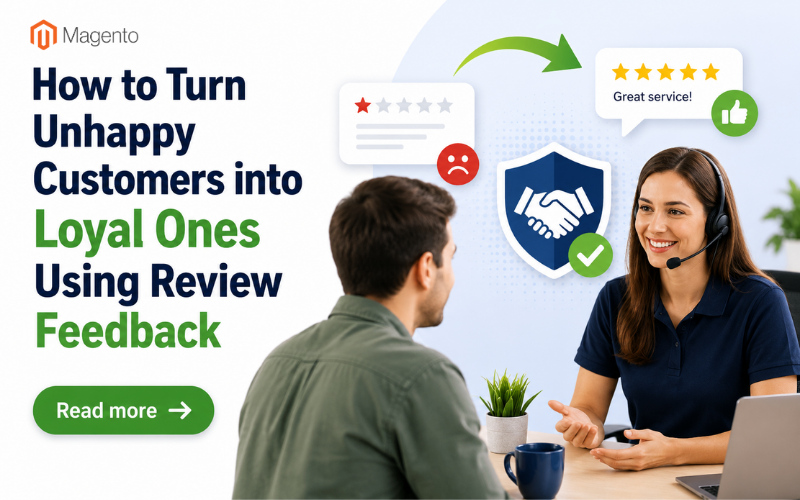
A negative experience does not have to end a customer relationship. In many cases, how a business responds to a complaint matters more to that customer's long term loyalty than the fact that something went wrong in the first place. Customers understand that things occasionally go sideways. What they remember is whether the business cared enough to make it right.
This is one of the most underappreciated aspects of review management. Most businesses think about reviews purely in terms of accumulating positive ones and minimizing negative ones. The more useful way to think about it is that negative feedback is an opportunity to demonstrate exactly the kind of care that turns a frustrated customer into one of your most loyal advocates. Here is how to build a system that actually captures that opportunity instead of losing it.
Why Most Negative Feedback Gets Wasted
When a customer has a bad experience and feels strongly enough to say something about it, they typically have two options. They can tell the business directly, or they can post publicly on Google, Yelp, or social media. The path they choose depends largely on how easy and inviting each option feels in the moment.
Most businesses unintentionally make the public option easier than the private one. There is often a QR code or sign pointing customers toward leaving a Google review, but no equally accessible channel for raising a concern directly. A frustrated customer who wants to be heard quickly finds that the path of least resistance is a public post, which locks in a negative impression for every future customer who reads it, and gives the business no real opportunity to address what went wrong.
This is the wasted opportunity. The customer wanted to express something, the business never got the chance to respond to it directly, and the relationship ends on the worst possible note, a public complaint with no resolution attached.
Build a Clear Path for Private Feedback
The first step in capturing this opportunity is making sure a private feedback channel exists and is genuinely as accessible as the public review option. If a customer has a complaint, there should be an obvious, low-effort way to communicate it directly to the business before they default to a public platform.
This does not mean discouraging honest public reviews. It means giving customers a choice, and structuring that choice so that genuine concerns have a natural home where someone can actually respond, rather than disappearing into the void of a one-star rating that nobody follows up on.
Some review management platforms are specifically designed to make this distinction automatically. ReviewCook includes a feature called Smart Sentiment Intercept that detects when a customer is about to leave a low rating and routes them to a private feedback form instead of the public Google review flow. The customer still gets to express exactly what went wrong, in detail, but it goes directly to the business owner's dashboard rather than appearing publicly. High ratings flow through the normal public review process, while low ratings get captured privately where they can actually be acted on.
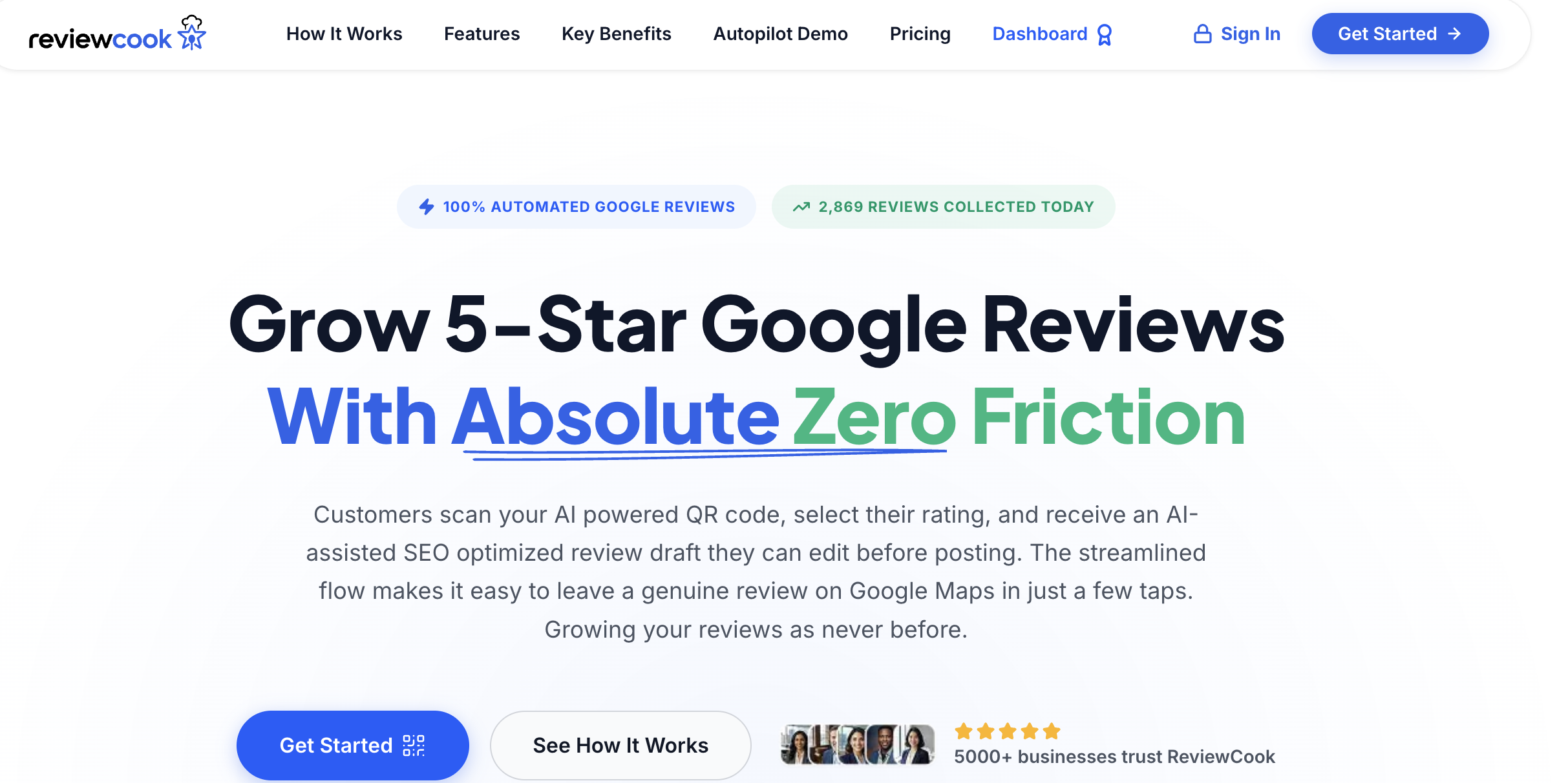
This kind of automatic routing solves the structural problem most businesses have. It is not that staff do not want to hear feedback. It is that the system in place was never designed to separate the two paths cleanly, so most negative feedback either goes public unnecessarily or never gets captured at all.
Respond Quickly and Personally
Once private feedback comes in, the speed and quality of the response matters enormously. A complaint that sits unanswered for days, even if it is eventually addressed, has already done damage to the relationship simply through the silence. A response within hours, even a brief one acknowledging the issue and indicating that the business is looking into it, immediately changes how the customer feels about the interaction.
The response itself should feel personal rather than templated. A generic apology that could apply to any complaint reads as insincere, even if the sentiment behind it is genuine. Referencing the specific details the customer mentioned, whether that is a particular dish, a specific staff interaction, or a specific delay, shows that someone actually read and engaged with what they wrote.
This is where the specificity of the feedback itself matters. A structured private feedback form that prompts customers for details, rather than a vague "tell us what went wrong" box, tends to produce more actionable complaints, which in turn makes it easier for the business to respond with the kind of specific, genuine acknowledgment that actually repairs trust.
Offer a Concrete Resolution, Not Just an Apology
An apology alone often is not enough to fully repair a damaged experience, particularly for issues involving real inconvenience, cost, or a poor outcome. Wherever appropriate, pairing the apology with a concrete gesture, whether that is a refund, a replacement, a discount on a future visit, or simply fixing the underlying issue immediately, demonstrates that the business is willing to act, not just speak.
The specific resolution matters less than the fact that one is offered. Customers who receive a thoughtful, proportionate resolution to a complaint frequently become more loyal than customers who never had a problem in the first place, because they now have direct evidence of how the business behaves when something goes wrong. That evidence is more persuasive to their own future loyalty than any amount of consistently good but unremarkable service.
Follow Up After the Resolution
A surprising number of businesses handle the immediate complaint well but then never follow up to confirm the customer is actually satisfied with how things were resolved. A brief follow-up message or call, checking in to confirm the issue was fully addressed, closes the loop in a way that reinforces the sense that the business genuinely cared rather than just wanting to make the immediate problem go away.
This step is often skipped because it requires remembering to do it after the initial resolution has already happened and attention has moved elsewhere. Building this follow-up into a checklist or workflow, rather than relying on someone remembering, ensures it actually happens consistently.
Use Patterns in Feedback to Fix Root Causes
Individual complaints matter for individual relationships, but patterns across multiple pieces of feedback matter for the business as a whole. If several customers over a period of weeks mention the same issue, whether that is slow service during a particular time slot, a specific dish that consistently disappoints, or a recurring problem with a particular process, that pattern is telling you something that no single complaint could reveal on its own.
Reviewing feedback data regularly, rather than just responding to each piece individually and moving on, is what turns customer complaints into genuine operational improvement. A dashboard that aggregates private feedback over time, which platforms like ReviewCook provide, makes this pattern recognition far easier than trying to remember or manually track scattered complaints that came in through different channels.
Recognize That a Resolved Complaint Often Becomes a Story

Customers who have a problem resolved well frequently tell other people about it, sometimes more enthusiastically than they would have told people about an unremarkable positive experience. A friend asking for a restaurant recommendation is often more persuaded by "something went wrong with my order but they completely made it right" than by a flat "the food was good." The story of recovery demonstrates character in a way that smooth, uneventful service cannot.
This means that handling negative feedback well is not purely defensive. It is an active opportunity to create the kind of memorable, positive impression that drives genuine word of mouth, the same kind of impression businesses spend marketing budgets trying to manufacture artificially.
Building This Into Your Regular Operations
None of this works as a one-time initiative. The businesses that consistently turn unhappy customers into loyal ones have built the private feedback channel, the fast response habit, the resolution process, and the follow-up step into their regular operating rhythm, the same way they have built in opening procedures or closing checklists.
Starting with a system that makes the private feedback channel genuinely accessible, rather than hoping customers find their way to it on their own, is the foundation everything else depends on. From there, the speed and genuineness of the response is what determines whether the opportunity gets captured or wasted.
A negative experience will always be a risk to customer loyalty. But with the right system in place, it can just as easily become the moment that cements it.
Manage your customer feedback and review dashboard from anywhere with the latest smartphone. Find the best models and prices at Priceka.
Related Posts
- How to Turn Unhappy Customers into Loyal Ones Using Review Feedback
- How to Reduce Wait Times in Your Restaurant with Digital Ordering
- Professional Makeup Certification Course in Brampton
- Building Trust in Online Bullion Sales: Why the Canadian Maple Leaf Gold Coin Leads Digital-First Precious Metals Retail
- Why Students Seek Writing Support During Their Studies
- How Better Email Deliverability Boosts Magento Store Revenue?