


Learn how digital ordering and QR code menus help restaurants reduce wait times, speed up service, improve order accuracy, and enhance guest satisfaction.
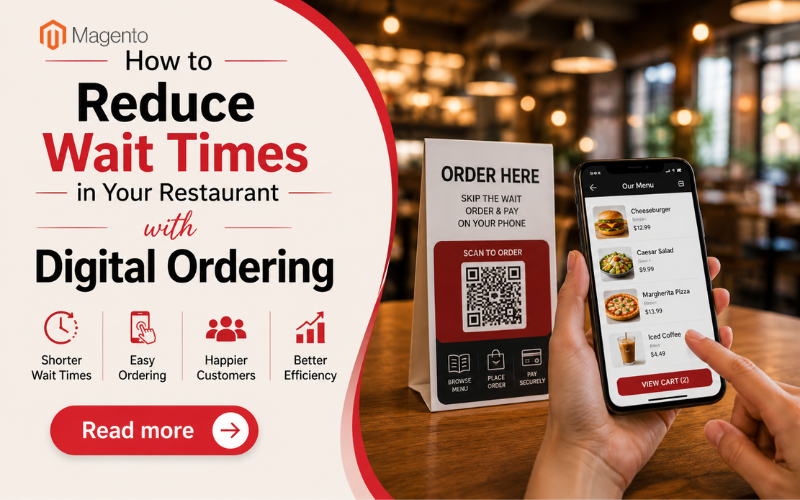
Wait times shape how guests remember a meal almost as much as the food itself does. A guest who waits ten minutes for a menu, another ten to order, and then twenty for the kitchen to catch up has spent half their visit waiting rather than eating, regardless of how good the dish ends up being. That accumulation of small delays is one of the most common reasons guests leave restaurants feeling frustrated even when nothing went technically wrong.
Digital ordering has become one of the most effective tools restaurants have for addressing this problem directly, not by rushing the dining experience but by removing the dead time that happens between a guest sitting down and their order actually reaching the kitchen. Here is how to use it to meaningfully cut wait times across your service.
Identify Where the Waiting Actually Happens
Before fixing wait times, it helps to map out exactly where they accumulate during a typical service. Most restaurants find the same general pattern. There is a wait for a server to bring menus after a guest sits down. There is a wait for the server to return once the table is ready to order. There is a wait for the server to relay that order to the kitchen, which sometimes involves a walk to a POS terminal. There is a wait for the kitchen to receive and begin preparing the order. And at the end, there is a wait for the check, the card reader, and the final payment.
Each of these waits exists because a human being has to physically be available and move between tasks. Digital ordering does not eliminate the need for staff, but it removes several of these specific waiting points entirely by letting the guest initiate steps that previously required a server's availability.
Eliminate the Wait for the Menu
The first wait a guest experiences is for the menu itself. With a QR code on the table, this disappears completely. The moment a guest sits down, the menu is available the instant they want it. There is no need for a server to notice the table is seated, walk over, and deliver menus before anything else can happen.
This single change addresses a wait that, on a busy night with a short-staffed floor, can stretch to five or ten minutes. For a guest who is hungry and ready to look at options immediately, removing that gap creates a noticeably better first impression of the visit.
Eliminate the Wait for Order-Taking
The second and often longest wait is between a guest being ready to order and a server actually taking that order. On a busy night, a server managing several tables cannot always return the moment a table is ready. Guests sit with their phones out, periodically scanning the room for their server, sometimes flagging someone down who is not even responsible for their table.
Digital ordering removes this entirely. Once a guest has decided what they want, they submit the order directly from their phone, with no need to wait for a server's availability. This does not mean servers disappear from the equation. It means the order itself is no longer dependent on a server's timing, which is one of the most variable and unpredictable parts of a typical service.
Speed Up the Path to the Kitchen
Even when a server does take an order promptly, there is still a delay between the order being taken and the kitchen actually receiving it. The server has to walk to a POS terminal, enter the order correctly, and the ticket has to print or appear on a kitchen display. Each of these steps takes time, and during a rush, servers are often managing several orders before they get a chance to enter any of them.
With digital ordering, the guest's submission goes directly to the kitchen the moment they tap submit. There is no intermediary step, no walk to a terminal, and no batching of multiple orders before entry. The kitchen receives tickets in real time as guests actually place their orders, which means food preparation can begin sooner relative to when the guest decided what they wanted.
For restaurants using Restaurant Order Management System with Digital QR Code from Menu Tiger, this direct path from guest to kitchen is built into the core of how the platform works. Orders submitted through the digital menu arrive at the kitchen tagged to the correct table immediately, with any modifiers and customizations included in clear text, removing both the delay and the potential for miscommunication that comes from a server relaying details verbally or through handwritten notes.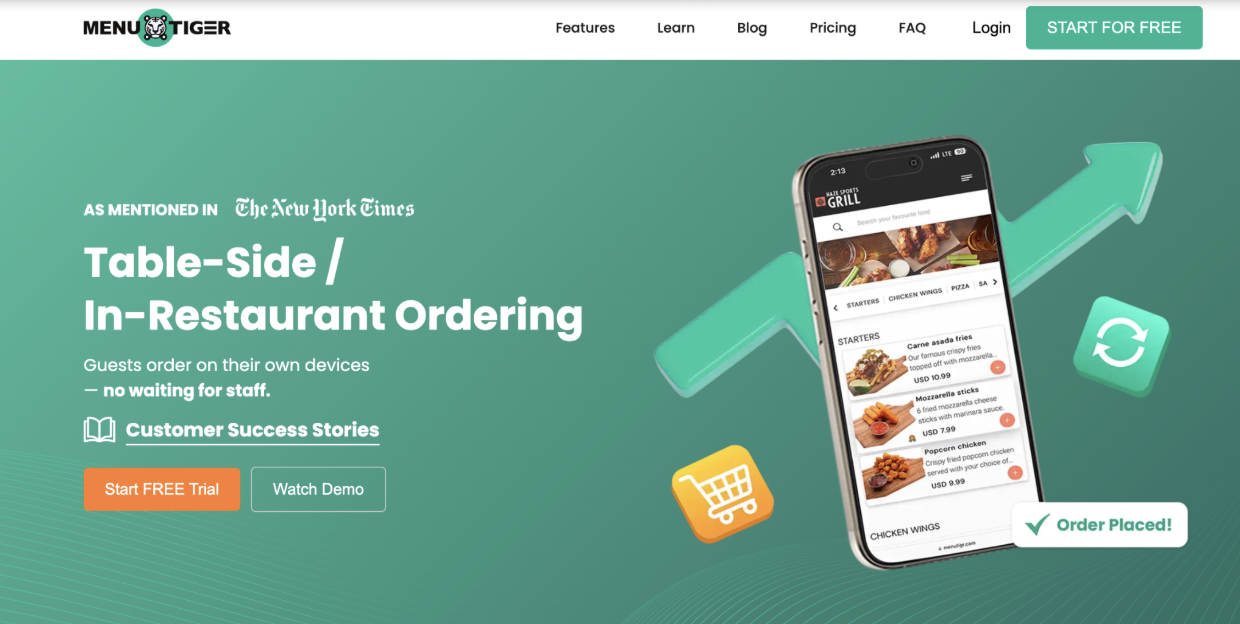
Reduce Errors That Create Secondary Waits
A wait time problem that often gets overlooked is the delay caused by order errors. When a dish arrives incorrectly, whether because a modification was missed or an item was misheard, the guest has to wait again while the kitchen remakes it. This secondary wait is often more frustrating than the original wait, because the guest has already been anticipating their food and now has to start that anticipation over.
Digital ordering significantly reduces this kind of error because the guest enters their own order directly, with their own modifications, in their own words. There is no relay between guest and server and then between server and kitchen where details can be lost or misheard. What the guest selects is exactly what the kitchen receives, which means fewer remakes and fewer of the frustrating secondary waits that come with them.
Speed Up the End of the Meal Too
Wait times are not just a beginning-of-meal problem. The end of a meal often involves its own sequence of delays: waiting to flag a server for the check, waiting for the check to be printed or brought to the table, waiting for the card reader, and waiting for the receipt. For guests who are ready to leave, this final stretch can feel disproportionately long relative to how quickly everything else moved.
Digital ordering platforms that include integrated payment let guests settle their bill directly from their phone whenever they are ready, without needing to wait for any of those steps. This matters particularly for guests with time constraints, such as a lunch crowd needing to return to work, where a smooth and quick exit leaves a much better final impression than a meal that ran efficiently until the very end and then stalled at the bill.
Use the Time Saved to Improve Service Elsewhere
Reducing wait times through digital ordering does not mean staff have less to do. It means the time previously spent on order-taking, menu delivery, and check processing gets redirected toward the parts of service that genuinely benefit from a human presence. Checking in on tables, refilling drinks proactively, noticing when something seems off, and creating the kind of attentive hospitality that builds loyalty all become easier when staff are not constantly cycling through transactional tasks.
This redirection often produces a secondary wait time benefit. With less time spent on order mechanics, servers have more bandwidth to notice and respond quickly to genuine guest needs, such as a request for more napkins or a question about an allergen, rather than those requests sitting unanswered while the server finishes another table's order.
Monitor and Adjust Based on Real Data
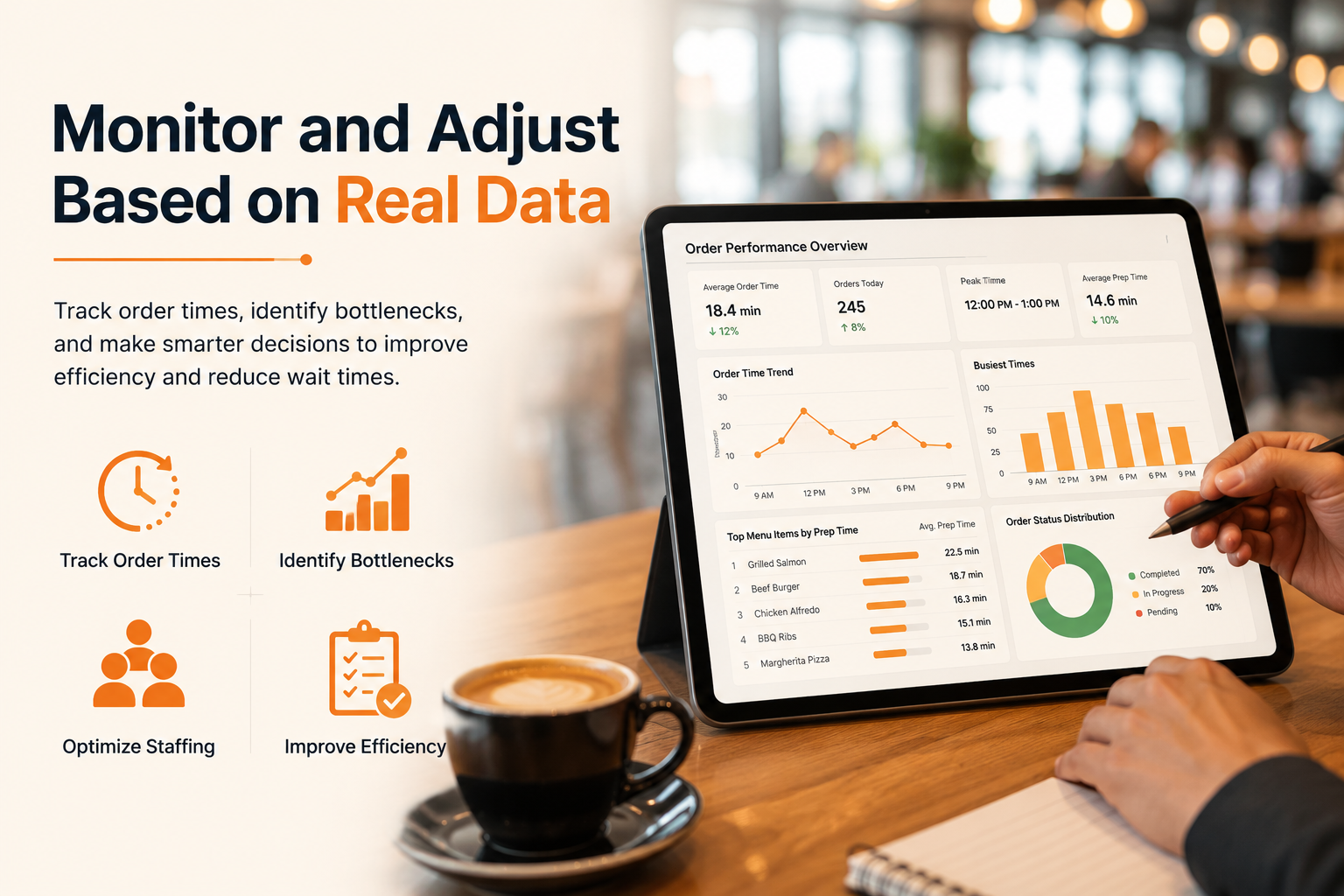
Most digital ordering platforms provide visibility into order timing that was previously impossible to track with handwritten tickets. Reviewing data on how long it typically takes from order submission to kitchen completion, and identifying which times of day or which menu items create bottlenecks, helps target further improvements.
If data shows that a particular dish consistently takes longer to prepare than guests expect, that might indicate a kitchen workflow issue worth addressing separately. If certain time windows show consistently longer wait times despite efficient ordering, that might point to a staffing gap during that period rather than a technology problem.
The Cumulative Effect on Guest Experience
None of these individual changes feels dramatic on its own. A few minutes saved on menu delivery, a few minutes saved on order-taking, fewer remakes from errors, and a faster exit at the end of the meal each seem like modest improvements in isolation. Added together across an entire visit, they change the overall feel of the meal from one punctuated by waiting to one that flows smoothly from arrival to departure.
That cumulative effect is what guests actually notice and remember, even if they could not articulate which specific step felt faster. A restaurant that consistently delivers a smooth, low-wait experience earns a reputation for efficiency that, paired with good food and genuine hospitality, becomes a real competitive advantage in a market where guests have plenty of dining options and increasingly little patience for unnecessary delay.
Track your restaurant's ordering speed and service flow from anywhere with the latest smartphone. Find the best models and prices at Priceka.
Related Posts
- How to Turn Unhappy Customers into Loyal Ones Using Review Feedback
- How to Reduce Wait Times in Your Restaurant with Digital Ordering
- Professional Makeup Certification Course in Brampton
- Building Trust in Online Bullion Sales: Why the Canadian Maple Leaf Gold Coin Leads Digital-First Precious Metals Retail
- Why Students Seek Writing Support During Their Studies
- How Better Email Deliverability Boosts Magento Store Revenue?