



Discover how smart supply chain management eliminates hidden friction in online retail. Improve fulfillment speed, inventory accuracy, and customer satisfaction with real-time, data-driven operations.
Online retail moves at the speed of a swipe, yet every seamless checkout hides a maze of warehouses, carriers, and data feeds that must stay perfectly synchronized. When timing slips, carts are abandoned, reviews turn sour, and loyalty quietly erodes. That is why modern e-commerce strategy increasingly treats operational efficiency as a branding exercise in its own right.
Industry analysts observe that, to close the gap between promise and delivery, many merchants now depend on Supply Chain Management Solutions as the connective tissue linking inventory pools, route planners, and customer-facing dashboards. The result is fewer surprises for shoppers and tighter control for finance teams that manage razor-thin margins.
Friction Starts Long Before the “Buy Now” Click
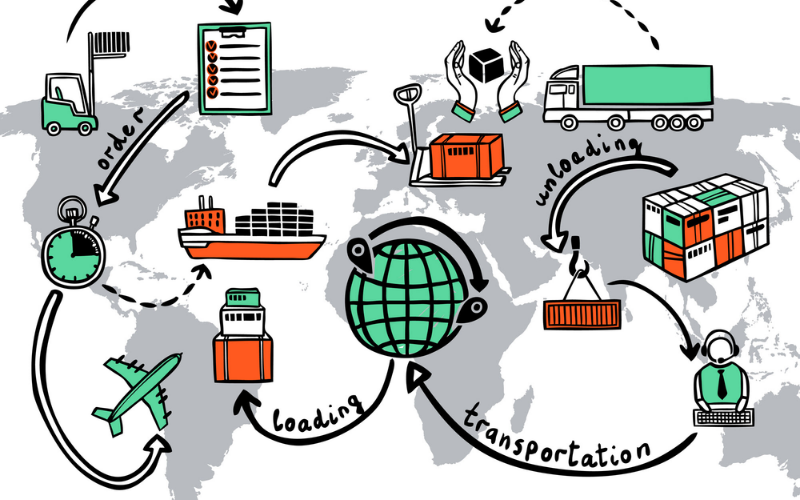
 Most buyers blame slow shipping on the courier, yet delays usually begin further upstream. Data silos, manual handoffs, and outdated demand forecasts can trigger stockouts or overstock weeks before a parcel even leaves the depot. Resolving those hidden bottlenecks requires visibility, automation, and cross-department alignment rather than heroic last-mile fixes.
Hidden Pressure Points That Undermine Fulfillment
• Fragmented Inventory Views
Multiple systems track stock, leading to phantom availability or missed replenishment triggers.
• Static Demand Forecasts
Models ignore social trends, flash sales, or regional spikes, leaving warehouses either empty or overflowing.
• Manual Carrier Booking
Staff juggle emails and spreadsheets instead of API-driven rate shopping, adding cost and lost minutes.
• Reactive Customer Service
Teams learn about disruptions only after support tickets flood in, damaging brand tone before recovery starts.
Platforms That Merge Planning With Real-Time Action
Legacy enterprise resource planning once offered reporting, but today’s cloud suites stitch data, automation, and predictive analytics into one continuous loop. When a popular sneaker colorway trends on social media in the morning, the system can trigger a replenishment task before sunset, rerouting in-transit pallets toward regions showing the sharpest lift. Finance dashboards surface cost implications instantly, while customer-facing pages adjust delivery estimates without human intervention.
Such orchestration transforms operations from a series of checkpoints into a live network where stock, promises, and transport choices update together. The technology does not replace human judgment; it amplifies it by turning situational awareness into a default state rather than a crisis response.
Collaboration Extends Beyond the Warehouse Gate
Retail ecosystems rely on suppliers that range from artisan workshops to publicly listed manufacturers. Integrating those partners through shared data standards means purchase orders, lot numbers, and quality metrics travel through the same digital rails. Compliance audits become faster, lead-time buffers shrink, and new product launches hit the storefront on schedule.
Carriers also benefit. When route assignments include SKU dimensions, weight, and delivery windows in machine-readable form, loading patterns improve and fuel costs drop. Sustainability targets gain momentum as emissions dashboards capture granular trip data instead of relying on quarterly estimates.
Performance Signals Showing the System Is Working
• Pick-to-Ship Cycle Time Falls Below 90 Minutes
Warehouses complete orders quickly without overtime spikes.
• Forecast Accuracy Climbs Above 85 Percent
Procurement retains cash, and marketing trusts inventory counts during campaigns.
• On-Time Delivery Rate Steadies Over 97 Percent
Review scores trend upward, and customer-service volumes edge downward.
• Return-to-Shelf Speed Improves by 30 Percent
Refurbished or unopened items reenter stock quickly, limiting markdown pressure.
Data Ethics and Customer Trust
Speed alone does not guarantee loyalty. Privacy laws and rising consumer awareness require transparent data handling. Modern supply-chain suites therefore embed compliance checkpoints: personal identifiers can be masked for analytics, geographic data can omit precise addresses, and return reasons feed quality loops without exposing sensitive buyer comments. Such governance ensures innovation does not erode the confidence that fuels repeat business.
Preparing for Volatile Demand Cycles
Seasonal patterns once followed a predictable arc, but influencer culture and flash sales now create micro-peaks that last hours instead of weeks. Flexible sourcing contracts, dynamic safety-stock targets, and pop-up distribution nodes allow retailers to absorb those shocks without expanding permanent overhead.
Artificial intelligence layers add another dimension: image recognition scans product photos to detect packaging flaws before items leave the dock, and reinforcement-learning algorithms propose last-mile route clusters that balance driver workload with distance. Early adopters report double-digit percentage gains in utilization, freeing capital for experience-focused site upgrades.
Continuous Improvement as Competitive Moat
Supply chains never sit still. New regulations, currency swings, and unpredictable weather challenge even mature networks. The retailers that treat logistics as an evolving product iterated, measured, and refreshed turn operational clarity into brand equity. Shoppers rarely mention warehouse layouts in reviews, yet every five-star rating that cites “arrived earlier than expected” traces back to process design.
The lesson is simple: invest where customers feel the outcome, even if they never see the machinery. By coupling strategic foresight with the precise, real-time adjustments provided by advanced platforms, online merchants convert backstage efficiency into front-stage delight. When friction fades, loyalty follows, and the checkout button becomes more than a transaction it becomes the start of a reliable promise fulfilled again and again.