


Learn how a credit monitoring service works, including real-time alerts, monitoring reports, dark web scanning, and identity theft protection features.
Your personal data exists across online platforms, public records, and financial systems, often unprotected. A single breach can lead to unauthorized accounts, drained bank balances, or lowered credit scores. This is why checking for suspicious activities is essential, and that’s where monitoring services come in. They track changes, spot concerns early, and help you respond before minor problems turn into bigger ones.
I. How Monitoring Services Track Personal Data
Today's monitoring tools scan a broad set of data sources continuously. Credit bureaus, financial institutions, public records, and dark web marketplaces all fall within their reach. The objective is simple: detect unauthorized use of personal information at the earliest possible stage.
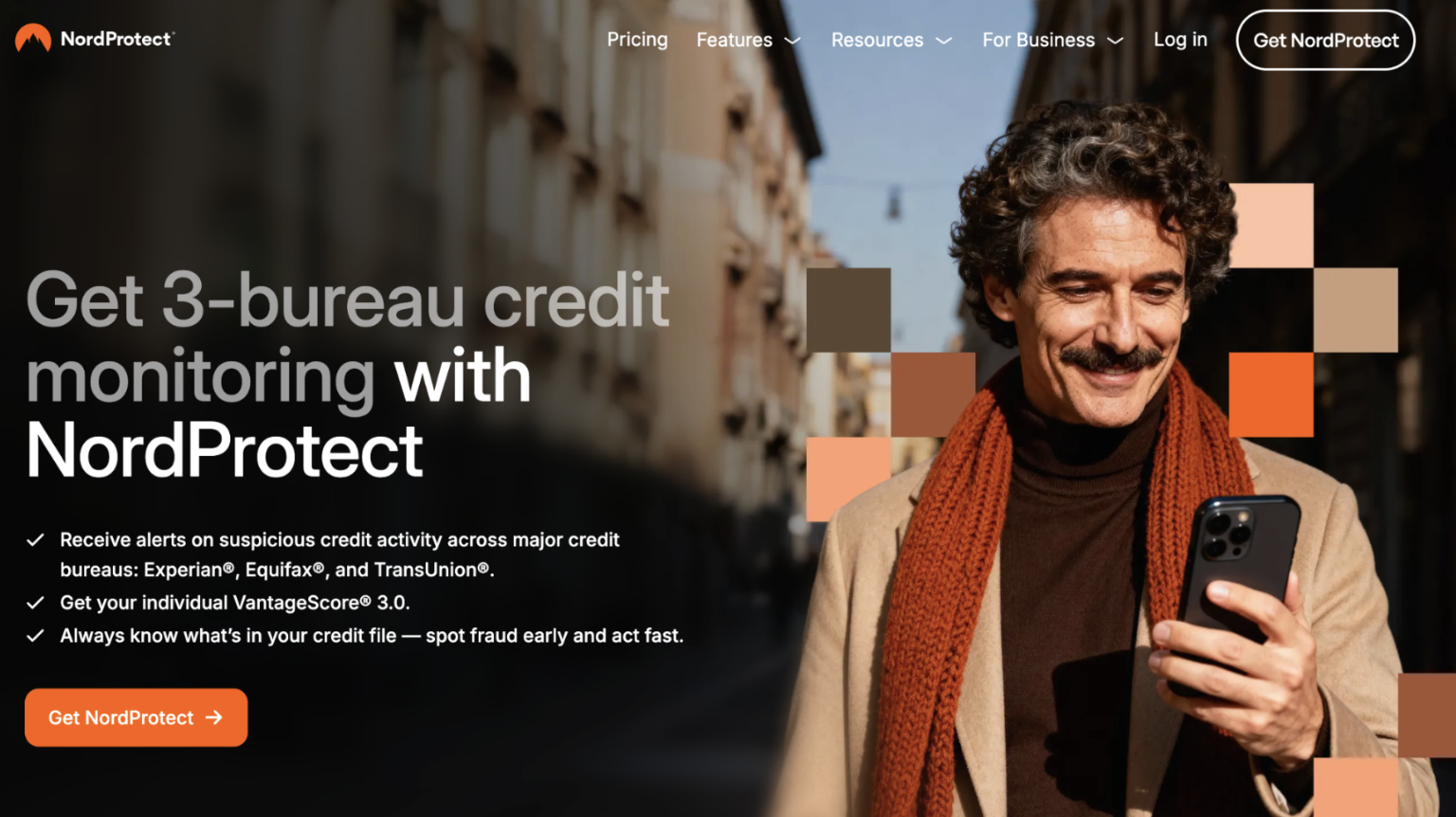
A dependable credit monitoring service keeps watch for new inquiries, surprise account openings, and unexpected balance changes in your credit profile. It serves as a front line of defense, catching unusual activity before the fallout grows. The top providers pull data from all three major bureaus to provide a 360-degree overview of both financial health and potential threats.
Many platforms go further than credit files alone. They also track your Social Security numbers, email addresses, and medical records. That kind of expanded surveillance catches identity theft that might take weeks to appear on a standard credit report.
II. The Role of Real-Time Alerts
Fast notifications sit at the core of any effective monitoring setup. Without prompt alerts, harmful activity can quietly persist for weeks, sometimes months, before you can notice.
What Triggers an Alert
Most monitoring services will send a notification when something specific happens. A hard inquiry on your credit file. An address change on your account. Or a new line of credit under your name. Some platforms can even take this further and flag login attempts or detect personal records surfacing in leaked databases.
Delivery Methods and Speed
Alerts reach you through email, text messages, or push notifications on mobile apps. Speed, however, differs from one provider to the next. The most effective platforms deliver warnings within minutes of spotting a change, not hours or days later. That faster delivery window translates directly into faster response, which significantly reduces potential financial harm.
III. Understanding Monitoring Reports
Regular reports provide a detailed look at your financial standing and data exposure. These documents pull together recent activity and flag areas that deserve closer attention.
Credit Score Updates
Frequent score refreshes help you spot drops that might signal fraud. A sudden decline with no obvious cause, like a missed payment or high utilization, often indicates unauthorized activity behind the scenes. Weekly or monthly score tracking builds a reliable baseline, making unusual movement easier to recognize.
Activity Summaries
Thorough activity logs list every detected change within a reporting period. New accounts, closed accounts, balance movements, and inquiry records all appear in one place. Reviewing these summaries regularly can help you become familiar with normal patterns, so anomalies stand out quickly.
IV. Protection Features That Add Real Value

Alerts and reports keep you informed, but robust protection features help you take necessary action. These include:
Identity Restoration Support
If theft does occur, guided restoration assistance saves significant time and reduces frustration. Dedicated specialists can handle dispute filings, contact creditors directly, and walk you through fraud affidavits. That hands-on guidance proves especially valuable in complex cases where multiple accounts have been compromised at once.
Insurance Coverage
Many monitoring plans bundle identity theft insurance into their offerings. These policies typically cover expenses tied to legal fees, lost wages during recovery, and fraudulent charges. Coverage amounts vary quite a bit between providers, so comparing policy limits before committing to a plan is well worth the effort.
Dark Web Scanning
Stolen credentials frequently end up on hidden online forums and underground marketplaces. Dark web scanning tools check whether your personal details (passwords, banking data, identification numbers) have appeared in known breach databases. Catching exposed information at this stage can stop criminals from turning stolen data into financial fraud.
IV. Choosing the Right Level of Coverage
Not every person requires the same depth of monitoring. A young professional with a limited credit history may do fine with basic alerts and score tracking. Parents managing household finances might need family plans that include child identity protection. Anyone who has already experienced a data breach often benefits most from comprehensive coverage, including restoration support and insurance.
Consider personal risk factors to determine which features deserve priority. The number of active financial accounts, frequency of online transactions, and any prior history of data exposure all play a role in selecting the right plan.
V. Parting Thoughts
Monitoring services combine timely alerts, detailed reports, and active protection features into one defensive layer for personal data. They shrink the gap between a threat taking place and you finding out about it.
Picking the right provider comes down to individual risk, the depth of coverage needed, and how fast alerts are actually sent. When you consistently use these tools and regularly review your activity reports, the chances of identity theft can go down drastically.