



Explore how modular architectures power scalable digital ecosystems, from eCommerce marketplaces to LMS platforms like Canvas LMS. Discover key principles, benefits, and future trends in building flexible, high-performance systems.
 In recent years, digital transformation has reshaped how software platforms, educational systems, and online marketplaces are designed and delivered. Modern eCommerce and learning environments are increasingly built on modular ecosystems that prioritize flexibility, scalability, and seamless integration, while learning platforms continue to adopt LMS technologies to support global-scale education.
One of the most important shifts in this space is the move toward modular, extensible architectures. Instead of building monolithic systems, modern platforms are assembled from flexible components that can be independently developed, upgraded, and integrated. This approach is especially evident in eCommerce ecosystems, where marketplace functionality is no longer treated as a single system but as a combination of specialized modules such as vendor management, pricing automation, and order-processing workflows. These systems enable businesses to scale more efficiently while maintaining full operational control and adaptability as requirements evolve.
A similar evolution is taking place in the education sector, where modern learning platforms are increasingly built on flexible architectures that closely mirror marketplace systems in both structure and logic. Platforms like Canvas LMS illustrate how structured content delivery, role-based access, and robust integrations can effectively support large-scale learning environments. For organizations interested in how these systems function in practice and how they are implemented within real educational ecosystems, it is worth taking a closer look to learn more about Canvas LMS and its approach to building scalable digital education infrastructure.
The Shift Toward Modular Platform Design
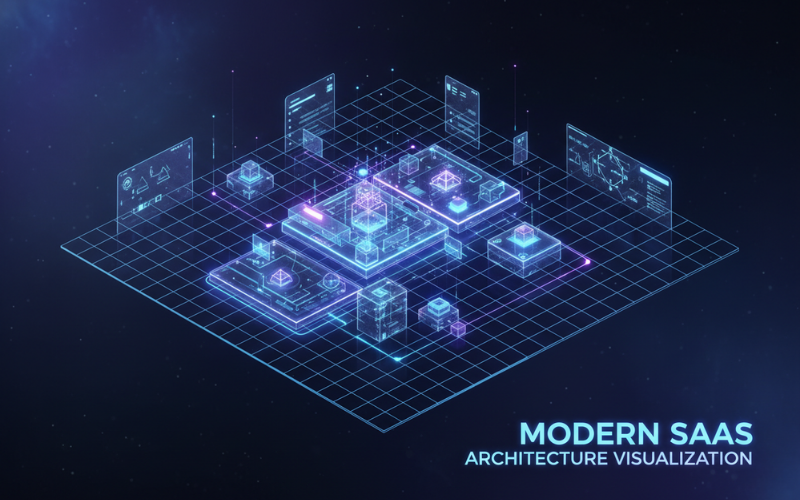
Modern digital platforms are moving away from rigid architectures and toward modular ecosystems. This means core functionality is broken into independent units that can evolve separately.
In the case of marketplace systems like those built with Landofcoder solutions, this includes:
• Vendor onboarding and management tools
• Product approval workflows
• Commission and payout systems
• Automated order handling
• Pricing and quotation modules
This modular structure allows businesses to launch faster, scale more efficiently, and adapt to changing market demands without rebuilding entire systems.
Core Principles of Marketplace Architecture
Modern marketplace platforms are built around a multi-vendor structure where many independent merchants operate within a shared ecosystem. Instead of relying on a single seller, each vendor manages their own catalog, pricing, and order fulfillment through dedicated dashboards. Inventory management, revenue distribution, and customer feedback systems are all handled within this decentralized framework, which allows marketplaces to scale efficiently to thousands of sellers without losing operational control.
Another essential principle is extensibility. Rather than building every feature from scratch, marketplaces depend on modular extensions that enhance the core system. These may include improved navigation interfaces, loyalty and reward programs, product recommendation engines, or checkout optimization tools. This approach reduces development complexity and makes it easier to continuously expand platform capabilities over time.
Automation also plays a central role in scaling marketplace operations. Tasks such as order approval, inventory synchronization, and vendor verification are increasingly automated, helping platforms reduce manual workload, minimize errors, and maintain consistency across large product catalogs. Together, these principles create a system that is both flexible and highly scalable.
Similar Architecture in LMS Platforms
Learning Management Systems have evolved using similar architectural logic to marketplaces. Both must coordinate multiple roles, workflows, and structured content at scale.
Typical LMS structure includes:
• Instructors responsible for content creation
• Students consuming learning materials
• Courses structured as modular content units
• Progress tracking and performance measurement systems
This makes LMS platforms structurally comparable to digital marketplaces, where products are replaced by courses and transactions are replaced by learning progress and completion metrics.
Canvas LMS is a strong example of this architecture in practice, providing flexible tools for course management, analytics, and integrations across both academic and enterprise learning environments.
Parallels Between Marketplaces and LMS Systems
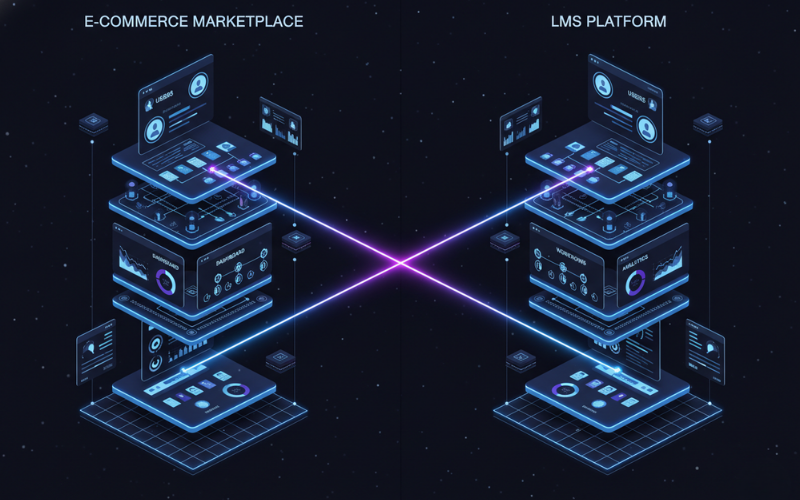
Despite serving different industries, both systems share core architectural principles:
Multi-Role Environments
Marketplaces manage buyers, sellers, and admins, while LMS platforms manage students, instructors, and administrators.
Structured Content Models
Products in marketplaces and courses in LMS platforms both require categorization, metadata, and search optimization.
Tracking Systems
Orders, deliveries, and payments in eCommerce mirror assignments, grades, and certifications in LMS environments.
Extensibility and Integrations
Both rely heavily on third-party integrations such as payment gateways, analytics tools, communication systems, and automation APIs.
Why Modular Ecosystems Are the Future
The shift toward modular architecture is driven by scalability demands and increasing system complexity.
Key advantages include:
• Faster feature development without system rebuilds
• Lower maintenance costs through independent modules
• Easier scalability across users, products, or courses
• Greater flexibility for customization and integration
This approach is now becoming the standard for both eCommerce and digital learning systems.
Conclusion
The evolution of digital platforms is clearly moving toward modular, scalable ecosystems. Whether in eCommerce through marketplace architectures or in education through LMS platforms like Canvas, the underlying principles remain the same: flexibility, extensibility, and automation.
As businesses continue to scale globally, the ability to build adaptable systems without constant redevelopment becomes a key competitive advantage rather than just a technical preference. Organizations are increasingly expected to respond quickly to market changes, user demands, and operational complexity, which is difficult to achieve with rigid, monolithic systems.
This is where modular architecture becomes especially important. By breaking platforms into independent components, companies can introduce new features, optimize performance, and integrate third-party tools without disrupting the entire system. This approach not only reduces long-term maintenance costs but also improves stability and deployment speed across large-scale environments.
Understanding how marketplace and LMS architectures align helps organizations choose the right digital foundation for long-term growth. In both cases, success depends on the same core idea: building systems that can evolve continuously without requiring complete structural redesigns.
Related Posts
- How to Start an Automotive Dropshipping Business in 2026
- 12 Best Custom Software Development Companies for Scalable EdTech Platforms in 2026
- How to Build a Sustainable Backlink Strategy for an E-commerce Website
- Top 5 Enterprise Laptop Return Shipping Solutions for Remote Workforce Asset Recovery
- International Link Building for E-commerce Brands: A Practical Guide
- Server Refresh vs Third-Party Maintenance: Which Option Makes More Sense?