


Discover top 12 apps for stock photography for designers, marketers, and content creators. Compare free and premium stock photo platforms like Shutterstock, Adobe Stock, Vecteezy, Canva, and more.

Stock photography has become an essential part of modern content creation. Whether you’re designing social posts, building websites, or publishing articles, having fast access to high-quality images can significantly improve both workflow and output.
Below is a neutral overview of 12 widely used stock photography apps and platforms, ranked for overall usefulness, variety, and ease of use for creators and designers.
Top 12 Apps for Stock Photography (for Designers and Content Creators)
1. Shutterstock
Shutterstock is one of the largest and most established stock libraries. It offers millions of images, vectors, and videos across almost every category.
It’s widely used by agencies and professional creators due to its consistency and extensive search filters.
2. Adobe Stock
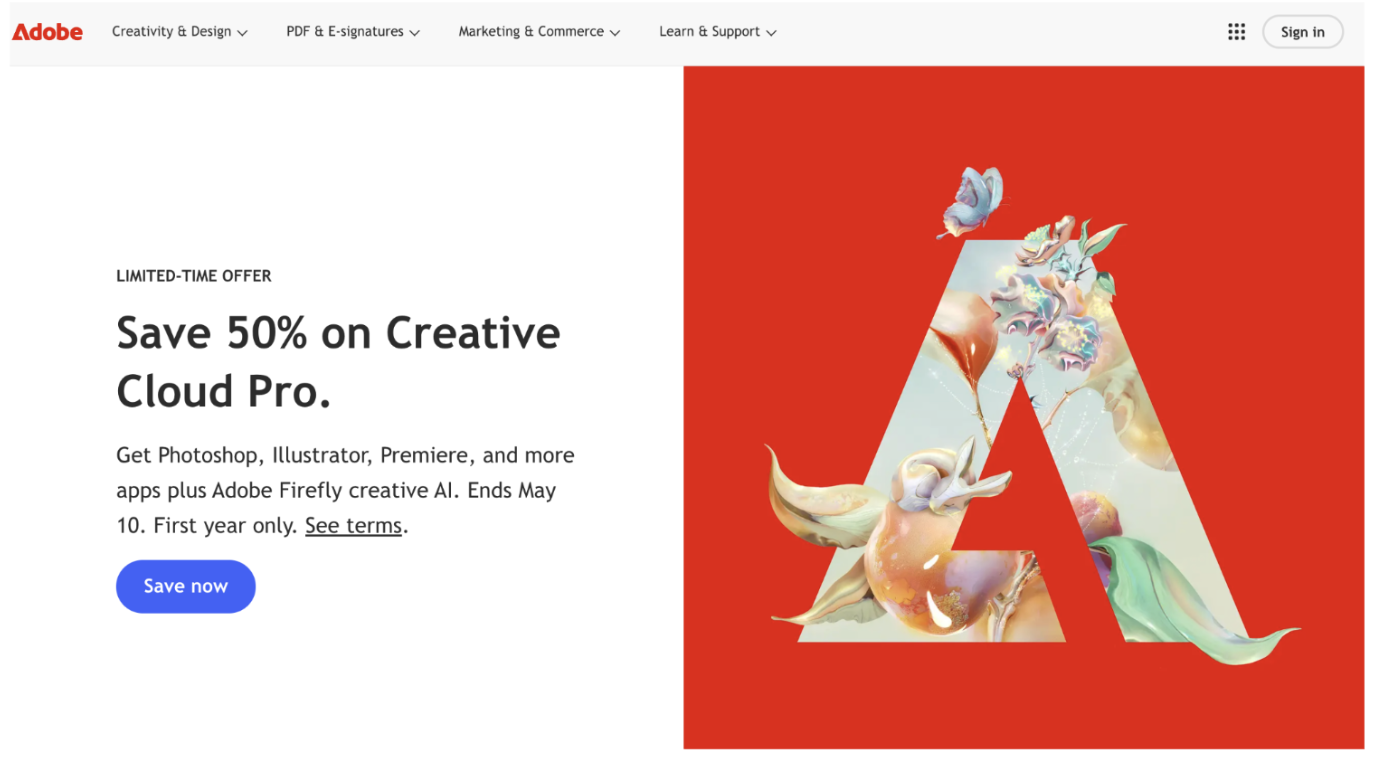
Adobe Stock integrates directly with Adobe Creative Cloud apps, making it especially useful for designers working in Photoshop, Illustrator, and InDesign.
Its strength is workflow efficiency rather than just library size.
3. Vecteezy

Vecteezy offers a balanced mix of free and premium stock photos, vectors, and videos. It also includes. editorial-style images for sports, real-world events and news.
For many creators, it’s a flexible option because it combines design assets and photography in one place.
4. Getty Images
Getty Images is known for high-end editorial photography and professional coverage of major events, including sports and global news.
It is often used in journalism and high-visibility media projects.
5. iStock
iStock provides more affordable access to Getty’s content library. It offers both premium and budget-friendly licensing options.
It’s a practical choice for smaller teams and independent creators.
6. Unsplash
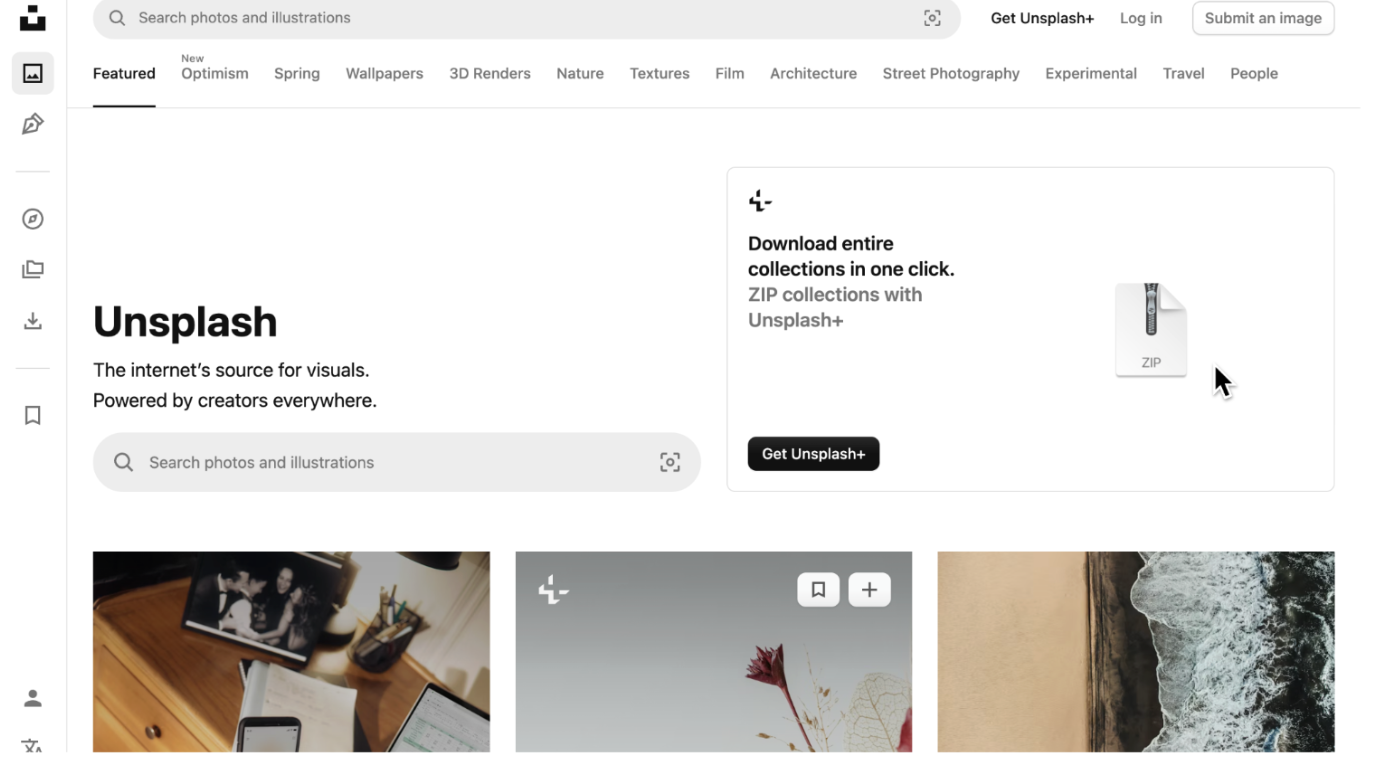
Unsplash is known for its clean, modern photography style and free access model.
It’s widely used for blogs, startups, and social media content, though image uniqueness can vary due to popularity.
7. Pexels
Pexels offers free stock photos and videos with a simple licensing structure. It’s easy to use and good for fast content production.
It’s especially popular for social media and lightweight design projects.
8. Depositphotos
Depositphotos provides a large library at competitive pricing, making it a middle-ground option between premium and budget platforms.
It’s often used by small businesses and freelancers.
9. Envato Elements
Envato Elements is a subscription-based platform offering stock photos, templates, fonts, and design assets.
It’s particularly useful for creators who need more than just images.
10. Dreamstime
Dreamstime offers a broad collection of stock images with flexible pricing options.
It’s a long-standing platform that remains a reliable alternative for general use.
11. Freepik
Freepik provides stock photos along with vectors, PSD files, and illustrations.
It’s especially useful for designers who need editable assets rather than just photos.
12. Canva
Canva includes a built-in stock library alongside its design tools, allowing users to create and publish content in one workflow.
It’s popular with marketers and content creators who want an all-in-one solution.
Choosing the Right Stock Photography App
The best platform depends on your workflow:
• For large-scale professional use: Shutterstock, Getty Images
• For design integration: Adobe Stock
• For balanced flexibility: Vecteezy
• For free content: Unsplash, Pexels
• For all-in-one design workflows: Canva, Envato Elements
Stock photography apps are no longer just image libraries, they are full creative ecosystems. The right choice depends on whether you prioritize cost, quality, workflow integration, or asset variety.
For many creators, combining a few platforms works best, especially when balancing editorial needs, design assets, and everyday content production.
Related Posts
- Building a Successful Digital Transformation Strategy for Modern Businesses
- Understanding Cardano (ADA) Market Data: A Trader's Guide
- Best Legacy System Modernization Companies for SalesTech Platforms in Europe
- Top 12 Apps for Stock Photography (for Designers and Content Creators)
- Scale Startup Team Effectively: Systems That Drive Growth & Efficiency
- Amazon Delivery Accident Lawyers in Schaumburg – Top Attorneys for Your Case